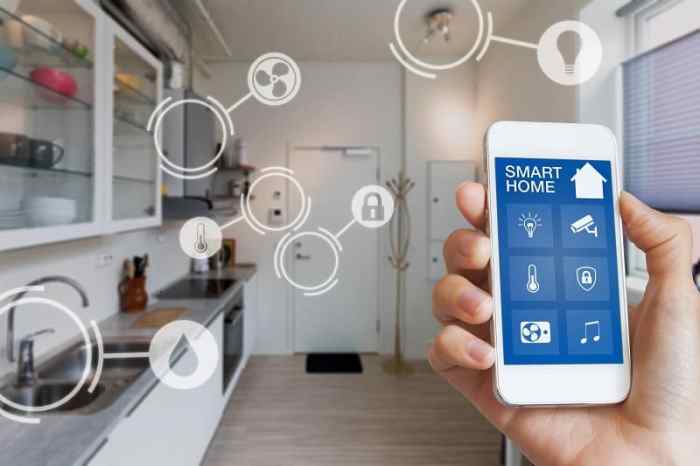
The rise of voice-controlled smart appliances marks a significant shift in how we interact with our homes. This technology, integrating voice recognition and natural language processing, allows users to control various devices—from lighting and thermostats to ovens and refrigerators—simply by speaking. This seamless integration promises increased convenience and efficiency, but also raises important questions about data privacy and security.
This exploration delves into the current market landscape, examining key players, technological underpinnings, user adoption rates, and emerging trends. We’ll also address the crucial concerns surrounding data security and privacy, offering practical advice for users to mitigate potential risks. Finally, we will consider the broader impact of smart appliances on energy consumption and overall home efficiency.
User Experience and Adoption of Voice-Controlled Smart Appliances
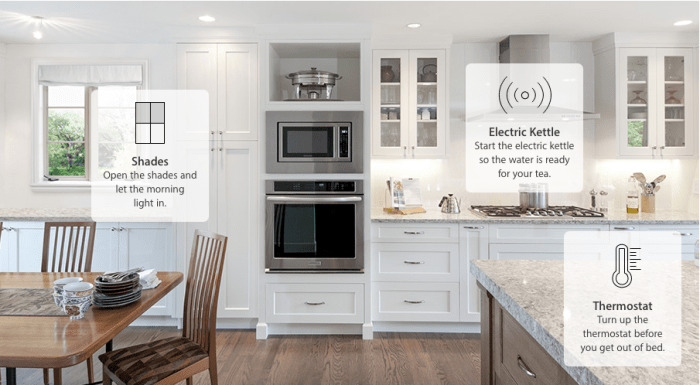
The integration of voice control into smart appliances promises a more intuitive and convenient user experience. However, the reality is nuanced, with both positive and negative aspects impacting adoption rates and overall user satisfaction. Understanding these experiences and the factors driving (or hindering) adoption is crucial for manufacturers and developers aiming to improve the technology and expand its market reach.
Successful integration of voice control hinges on a seamless and reliable user experience. Positive user feedback frequently centers around the convenience and hands-free operation, particularly for individuals with mobility limitations or those juggling multiple tasks. The ability to control appliances remotely or through simple voice commands significantly enhances usability for many. Conversely, negative experiences often stem from technical glitches, inaccurate voice recognition, and a lack of intuitive design.
Frustration arises when commands are misinterpreted, appliances fail to respond, or the system requires excessive troubleshooting. These challenges significantly impact user satisfaction and willingness to continue using voice-controlled technology.
Positive and Negative User Experiences with Voice-Controlled Smart Appliances
Positive experiences often involve effortless control of home environments, such as adjusting lighting or temperature with simple voice commands. For example, a user might say, “Turn on the living room lights,” and the lights immediately respond. This ease of use is particularly beneficial for elderly individuals or those with physical limitations. In contrast, negative experiences frequently include instances of misinterpretations of voice commands, leading to unintended actions or appliance malfunctions.
A common complaint involves the system failing to recognize the user’s voice, requiring multiple attempts or manual intervention. Another recurring issue is the lack of contextual awareness, where the system struggles to differentiate between similar commands or interpret commands within complex scenarios. For example, a user might request “Turn off the lights,” but the system may turn off all lights in the house instead of only those in a specified room.
User Adoption Rates and Demographics
Adoption rates for voice-controlled smart appliances vary significantly across demographics and geographical locations. While precise figures are difficult to obtain due to the fragmented nature of the market, several studies suggest higher adoption rates among younger age groups (Millennials and Gen Z) and higher-income households. These groups are generally more technologically savvy and more likely to embrace new technologies, and possess the financial resources to invest in smart home ecosystems.
Geographic location also plays a role; adoption rates tend to be higher in regions with strong internet infrastructure and widespread availability of smart home devices. For instance, North America and parts of Europe have seen comparatively higher adoption rates compared to some regions in Asia or Africa, where internet penetration and disposable income may be lower.
Factors Influencing the Adoption of Voice-Controlled Smart Appliances
Several factors, categorized broadly, significantly influence the adoption of voice-controlled smart appliances. Understanding these factors is critical for manufacturers to tailor their products and marketing strategies for broader market appeal.
The following points highlight key influences on adoption:
- Technological Factors: Reliability of voice recognition technology, ease of setup and integration with existing systems, availability of compatible devices, and the overall performance and stability of the smart appliance are all crucial. Poor voice recognition accuracy, complex setup procedures, or frequent malfunctions can significantly deter adoption.
- Cost Factors: The initial purchase price of voice-controlled smart appliances, ongoing subscription fees for services like cloud connectivity, and the overall cost of building a smart home ecosystem can be prohibitive for many consumers. Budget constraints often limit the accessibility of this technology.
- Social Factors: Social acceptance and perceived social status associated with owning smart home technology play a significant role. Word-of-mouth referrals, online reviews, and social media influence consumer perceptions and purchasing decisions. Furthermore, concerns about data privacy and security are also significant social barriers to adoption.
- Usability Factors: Intuitive design, ease of use, and the overall user experience are paramount. A poorly designed interface, complicated commands, or lack of user support can lead to frustration and low adoption rates. The accessibility of the system for users with disabilities also needs to be considered.
Security and Privacy Concerns of Voice-Controlled Smart Appliances
The increasing popularity of voice-controlled smart appliances presents a compelling case for examining the potential security and privacy risks associated with their use. These devices, while offering convenience and enhanced functionality, inherently collect and process sensitive user data, creating vulnerabilities that need careful consideration. Understanding these risks and implementing appropriate safeguards is crucial for both manufacturers and consumers.
Data Breaches and Unauthorized Access
Voice-controlled smart appliances are susceptible to various security threats, including data breaches and unauthorized access. Malicious actors could potentially exploit vulnerabilities in the device’s software or network infrastructure to gain access to sensitive information, such as voice recordings, personal schedules, and even home security system data. A successful breach could lead to identity theft, financial loss, or even physical harm.
For example, a compromised smart lock could allow intruders to access a home. Strong passwords and regular software updates are essential in mitigating these risks. Furthermore, securing home networks with robust firewalls and intrusion detection systems plays a vital role in preventing unauthorized access.
Collection and Use of Voice Data
The core functionality of voice-controlled appliances relies on the continuous collection and processing of voice data. This data is often transmitted to cloud servers for analysis and processing, raising significant privacy concerns. Companies collecting this data have policies regarding its use, but the potential for misuse or unintended disclosure remains a concern. For instance, voice data could be used for targeted advertising or even profiled for discriminatory purposes without the user’s explicit consent or knowledge.
Transparency in data collection practices and robust data anonymization techniques are essential to address these concerns.
Security Measures for User Data Protection
Several security measures are employed to protect user data in voice-controlled smart appliances. These include encryption of data both in transit and at rest, secure authentication protocols, and regular security audits. End-to-end encryption, for example, ensures that only the user and the intended recipient can access the voice data. Multi-factor authentication adds an extra layer of security, making it harder for unauthorized individuals to access accounts.
Regular software updates address vulnerabilities discovered in the system. However, the effectiveness of these measures depends on their consistent implementation and the overall security posture of the entire system, including the cloud infrastructure and the user’s home network.
Best Practices for Enhanced Security and Privacy
Implementing several best practices can significantly enhance the security and privacy of voice-controlled smart appliances.
- Choose reputable brands: Opt for appliances from established manufacturers with a proven track record of security and privacy.
- Strong and unique passwords: Use strong, unique passwords for each device and account. Avoid using easily guessable passwords.
- Enable two-factor authentication (2FA): This adds an extra layer of security, making it harder for unauthorized individuals to access your accounts.
- Regular software updates: Keep your devices and their associated software updated to patch security vulnerabilities.
- Secure your home network: Use a strong password for your Wi-Fi network and enable encryption (WPA2 or WPA3).
- Review privacy policies: Carefully review the privacy policies of the manufacturers of your smart appliances before use.
- Limit voice data collection: Disable features that unnecessarily collect voice data, if possible.
- Enable device location settings carefully: Consider the privacy implications before enabling location-based services.
Voice-controlled smart appliances represent a rapidly evolving technology with the potential to revolutionize our homes. While challenges remain, particularly regarding data security and privacy, ongoing innovations promise to enhance user experience and address these concerns. The future likely holds even more seamless integration with other smart home technologies, creating increasingly sophisticated and intuitive living environments. Understanding the technology, its limitations, and potential risks is crucial for consumers to make informed decisions and reap the full benefits of this exciting advancement.
Answers to Common Questions
What are the potential downsides of voice-controlled appliances?
Potential downsides include privacy concerns related to voice data collection, reliance on internet connectivity, and the possibility of malfunctions or security breaches.
How much do voice-controlled smart appliances cost?
Costs vary greatly depending on the specific appliance and brand. Prices range from relatively inexpensive smart plugs to more expensive integrated systems.
Are voice-controlled appliances difficult to set up?
Setup complexity varies. Some appliances offer simple plug-and-play configurations, while others may require more technical expertise and app integration.
Can I control multiple appliances with a single voice command?
Many systems allow for the grouping and control of multiple appliances using a single voice command, enhancing convenience.