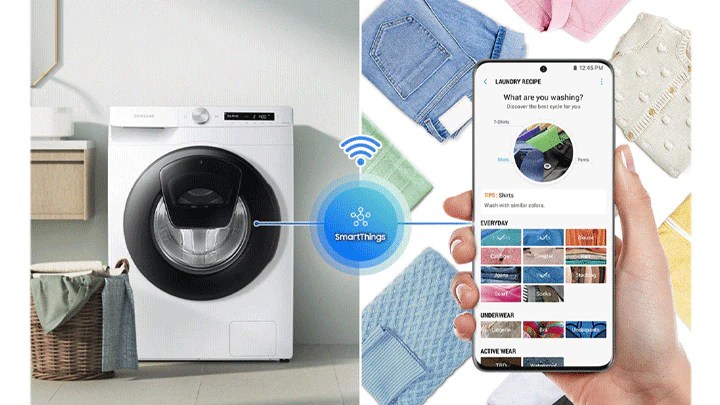
The modern laundry experience has been revolutionized by the advent of smart washing machines. These appliances, far exceeding their traditional counterparts, offer a seamless blend of convenience, efficiency, and technological innovation. From remote control operation to intelligent cycle optimization, smart washing machines are transforming how we approach household chores, promising significant time savings and resource conservation.
This guide delves into the intricacies of smart washing machine technology, exploring their defining features, connectivity options, energy efficiency, and future potential. We’ll compare leading brands, discuss troubleshooting techniques, and address common user queries to provide a comprehensive understanding of this increasingly popular home appliance.
Energy Efficiency and Water Conservation
Smart washing machines offer significant advantages over their traditional counterparts in terms of energy and water efficiency. These improvements stem from advanced technologies and intelligent features designed to optimize resource consumption while maintaining, or even exceeding, cleaning performance. The resulting environmental impact is substantial, contributing to a more sustainable approach to laundry.Smart features play a crucial role in reducing both energy and water usage.
These features go beyond simple programmable cycles, incorporating sophisticated sensors and algorithms to adapt to individual laundry needs. This targeted approach minimizes waste, unlike traditional machines that often operate at a fixed level regardless of load size or soil level.
Energy Consumption Comparison
Smart washing machines typically consume less energy than their traditional counterparts due to several factors. Variable-speed motors, for example, adjust power based on the wash cycle’s demands, reducing energy waste associated with constant high-speed operation. Intelligent sensors accurately determine the optimal wash time and water level, eliminating unnecessary energy use. In comparison, older models often run for a pre-set duration regardless of the load size or type of fabric, resulting in higher energy consumption.
Studies have shown that smart washing machines can achieve energy savings of up to 20% compared to older models. For instance, a typical smart washing machine might consume 1.5 kWh per cycle, while a comparable traditional model might use 1.8 kWh.
Water Consumption Comparison
Similarly, smart washing machines often use less water than traditional machines. Precise load sensing ensures that only the necessary amount of water is used, preventing water waste associated with overfilling. Optimized wash cycles and intelligent water management systems further reduce water consumption. A comparison might show a smart washing machine using 30 liters of water per cycle, whereas a traditional model might use 45 liters.
This difference becomes particularly significant when considering the total number of washes conducted over the lifespan of the appliance.
Infographic: Environmental Benefits of Smart Washing Machines
The infographic would visually represent the environmental benefits using a split-screen approach. One side depicts a traditional washing machine with exaggerated water and energy consumption illustrated by large, brightly colored water droplets and lightning bolts emanating from the machine. The other side showcases a smart washing machine with smaller, more subdued visual representations of water and energy usage, highlighting its efficiency.
A central bar graph would directly compare the annual energy and water consumption of both types of machines, using quantifiable data (e.g., kWh saved, liters of water saved annually). Below the bar graph, a pie chart would show the percentage reduction in carbon footprint achieved by using a smart washing machine. This would be supported by a brief explanation of how reduced energy and water consumption translate into lower greenhouse gas emissions.
Finally, the infographic would include a small icon representing the environmental benefit of reducing water waste and conserving water resources. The overall color scheme would be earth-toned, with a clear and easy-to-understand layout, emphasizing the positive environmental impact of using smart washing machines. The data used would be based on averages from independent testing and energy efficiency ratings.
Smart Appliances
The rise of smart home technology has significantly impacted household appliances, transforming them from simple tools into interconnected devices capable of enhancing convenience, efficiency, and overall home management. This shift towards “smart” appliances reflects a broader trend towards automation and data-driven optimization in various aspects of our lives.
Smart appliances are revolutionizing how we manage our homes, offering a range of benefits that extend beyond mere convenience. From energy conservation and resource management to improved food safety and enhanced home security, the implications of this technological shift are far-reaching.
Key Trends and Innovations in the Smart Appliance Market
The smart appliance market is experiencing rapid growth, driven by several key trends. The increasing affordability of smart technology, coupled with enhanced connectivity options (like Wi-Fi and Bluetooth), makes these appliances accessible to a wider consumer base. Furthermore, advancements in artificial intelligence (AI) and machine learning (ML) are enabling more sophisticated functionalities, such as predictive maintenance and personalized usage patterns.
Integration with voice assistants like Alexa and Google Assistant further streamlines user interaction and control. For example, the integration of smart appliances with smart home hubs allows for centralized control and automation of various household tasks.
Impact of Smart Appliances on Household Energy Consumption and Resource Management
Smart appliances offer significant potential for reducing household energy consumption and improving resource management. Features like intelligent energy-saving modes, optimized wash cycles (as seen in smart washing machines), and precise temperature control in smart ovens contribute to lower energy bills. Smart refrigerators can monitor food inventory, minimizing food waste and reducing the environmental impact associated with food production and disposal.
Data collected by these appliances can also provide valuable insights into energy usage patterns, empowering consumers to make informed decisions about their consumption habits. For instance, a smart washing machine might analyze usage data to suggest optimal wash cycles based on load size and fabric type, leading to significant water and energy savings.
Comparison of Smart Washing Machines with Other Smart Home Appliances
The following table compares the features of smart washing machines with those of smart refrigerators and smart ovens, highlighting their unique capabilities and functionalities. This comparison underscores the diverse applications of smart technology within the home.
| Appliance Type | Key Feature 1 | Key Feature 2 | Key Feature 3 |
|---|---|---|---|
| Smart Washing Machine | Remote Start/Stop & Cycle Selection | Smart Diagnosis & Troubleshooting | Optimized Wash Cycles based on Load Size & Fabric Type |
| Smart Refrigerator | Inventory Management & Expiration Date Tracking | Internal Temperature Monitoring & Control | Integration with Grocery Shopping Apps |
| Smart Oven | Precise Temperature Control & Preset Cooking Modes | Remote Monitoring & Control of Cooking Process | Self-Cleaning Functions |
Troubleshooting and Maintenance of Smart Washing Machines
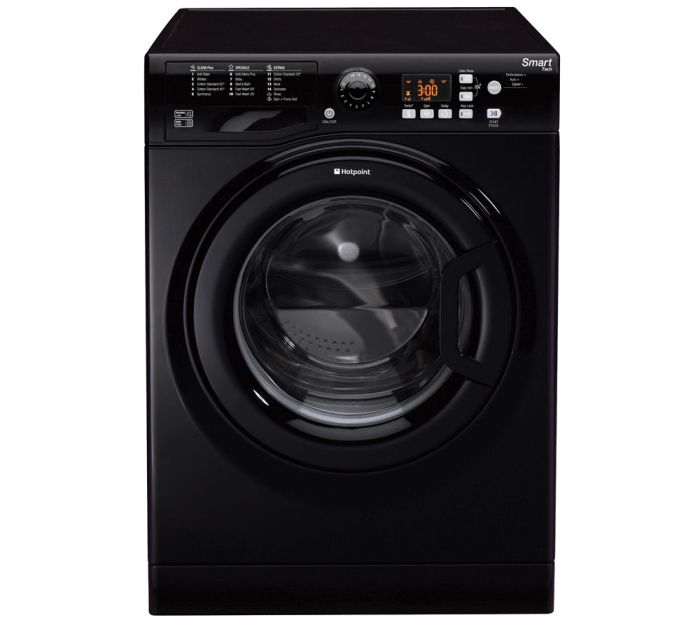
Smart washing machines, while offering convenience and efficiency, can occasionally present challenges. Understanding common issues and implementing regular maintenance significantly extends their lifespan and ensures optimal performance. This section details troubleshooting steps for common problems and highlights the importance of proactive maintenance.Regular maintenance is crucial for the optimal performance and longevity of your smart washing machine. Neglecting maintenance can lead to decreased efficiency, increased repair costs, and a shorter lifespan for your appliance.
A small amount of preventative care goes a long way in avoiding costly repairs down the line.
Common Problems and Solutions
Addressing common issues promptly can prevent escalating problems and ensure the continued smooth operation of your smart washing machine. The following list provides solutions for frequently encountered difficulties.
- Problem: Washing machine won’t start. Solution: Check the power cord, circuit breaker, and ensure the door is securely closed. Verify that the machine is properly leveled and that no error codes are displayed on the control panel. Consult your user manual for specific error code interpretations.
- Problem: Clothes are not clean after a wash cycle. Solution: Ensure you are using the correct detergent type and amount. Check for blockages in the detergent dispenser or filter. Overloading the machine can also lead to poor cleaning; try reducing the load size. Consider using a higher water temperature setting for heavily soiled items.
- Problem: Excessive water leakage. Solution: Check the hoses for cracks or leaks. Inspect the door seal for any damage or debris. If the leak persists, contact a qualified appliance repair technician.
- Problem: Unusual noises during operation. Solution: Loud banging or grinding noises may indicate a problem with the drum bearings or other internal components. Vibrations can be caused by improper leveling. Consult a repair technician if the noises persist or worsen.
- Problem: Error codes displayed on the control panel. Solution: Refer to your user manual for a detailed explanation of the error codes and their corresponding solutions. Some errors may require professional assistance.
Maintaining Your Smart Washing Machine
Proactive maintenance ensures your smart washing machine continues to function efficiently and reliably. Regular cleaning and inspection prevent malfunctions and prolong the appliance’s lifespan.
- Clean the detergent dispenser regularly: Remove and thoroughly clean the dispenser to prevent detergent buildup and ensure proper dispensing.
- Clean the lint filter after each wash cycle: This prevents lint from clogging the machine and reducing its efficiency.
- Inspect and clean the drain filter periodically: Remove and clean the filter to remove any debris or blockages that may hinder proper drainage.
- Check and clean the door seal: Inspect the seal for any damage or mold buildup. Clean it with a damp cloth.
- Level the machine: Ensure the washing machine is properly leveled to minimize vibrations and noise during operation.
Troubleshooting Connectivity Issues
Connectivity problems between the washing machine and the smartphone app are common. Following these steps can often resolve these issues.
- Check your Wi-Fi connection: Ensure your router is functioning correctly and your smartphone is connected to the same Wi-Fi network as the washing machine.
- Restart your washing machine and smartphone: A simple restart can often resolve temporary connectivity glitches.
- Check the washing machine’s Wi-Fi settings: Verify that the washing machine is properly connected to your Wi-Fi network. Consult your user manual for instructions on accessing and configuring the Wi-Fi settings.
- Reinstall the app: If the problem persists, try uninstalling and reinstalling the smartphone app.
- Check for software updates: Ensure both the washing machine’s firmware and the smartphone app are up-to-date.
- Contact customer support: If the problem continues after trying these steps, contact the manufacturer’s customer support for assistance.
Future of Smart Washing Machines
The evolution of smart washing machines is far from over. We’re on the cusp of significant advancements driven by artificial intelligence (AI), machine learning (ML), and increasing integration within the broader smart home ecosystem. These developments promise not only greater convenience but also enhanced efficiency and sustainability.The next generation of smart washing machines will likely leverage AI and ML to a much greater extent than current models.
This will lead to a more personalized and optimized laundry experience.
AI-Powered Laundry Optimization
AI algorithms will analyze various factors—including fabric type, soil level, load size, and even water hardness—to automatically select the optimal wash cycle. This goes beyond current smart features, moving towards a truly self-learning system that adapts to user preferences and environmental conditions over time. Imagine a machine that learns your preferred level of wrinkle reduction or adjusts its water usage based on the average hardness of your local water supply.
This level of personalization will reduce energy and water waste while ensuring consistently excellent results. Moreover, predictive maintenance capabilities, powered by AI, will anticipate potential issues before they arise, minimizing downtime and extending the lifespan of the appliance. For instance, the machine might detect unusual vibrations indicating a possible imbalance and alert the user, preventing damage to the machine and ensuring a smoother laundry experience.
Enhanced Connectivity and Smart Home Integration
Future smart washing machines will seamlessly integrate with other smart home devices and platforms. This could involve voice control via smart speakers, allowing users to start, stop, or monitor cycles hands-free. Integration with smart energy management systems will optimize laundry schedules to coincide with periods of lower energy demand, reducing electricity costs. Moreover, remote monitoring and diagnostics will become increasingly sophisticated, enabling users to troubleshoot issues or receive proactive maintenance alerts directly through their smartphones, regardless of their location.
Consider a scenario where your washing machine automatically sends a notification to your phone indicating it requires a filter cleaning, or even automatically orders a replacement filter from an online retailer.
Predictive Maintenance and Self-Diagnostics
Advanced sensor technology and machine learning algorithms will enable smart washing machines to perform detailed self-diagnostics and predict potential maintenance needs. This proactive approach will reduce the risk of unexpected breakdowns and costly repairs. For example, the machine might detect an anomaly in the motor’s vibration pattern, indicating potential wear and tear, and alert the user well in advance of any significant problem.
This allows for timely intervention, potentially preventing a complete motor failure and extending the overall lifespan of the machine. Further, the machine might learn the optimal cleaning cycle based on user-specified factors and past usage data, making it even more efficient and effective over time. This predictive capability could be expanded to other components, such as water pumps and heating elements, allowing for more precise and timely maintenance.
Smart washing machines represent a significant leap forward in home appliance technology, offering a compelling blend of convenience, efficiency, and environmental responsibility. By embracing smart features and understanding their capabilities, consumers can optimize their laundry routines, minimize resource consumption, and enjoy a more streamlined household experience. As technology continues to evolve, the future of smart washing machines promises even greater levels of automation, intelligence, and integration within the broader smart home ecosystem.
Clarifying Questions
How much do smart washing machines cost?
The price varies significantly depending on brand, features, and capacity. Expect to pay a premium compared to traditional models, ranging from several hundred to over a thousand dollars.
What if my Wi-Fi goes down? Can I still use my smart washing machine?
Most smart washing machines retain basic functionality even without a Wi-Fi connection. You can typically select and run wash cycles manually, though you’ll lose access to remote control and app features.
Are smart washing machines difficult to maintain?
Maintenance is generally similar to traditional models. Regular cleaning of the lint filter, detergent dispenser, and drum is recommended for optimal performance and longevity.
Do all smart washing machines work with all smartphone apps?
No. Compatibility depends on the brand and model of the washing machine and the specific smartphone app. Check the manufacturer’s specifications for compatibility information.


