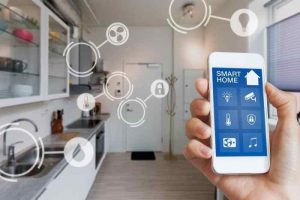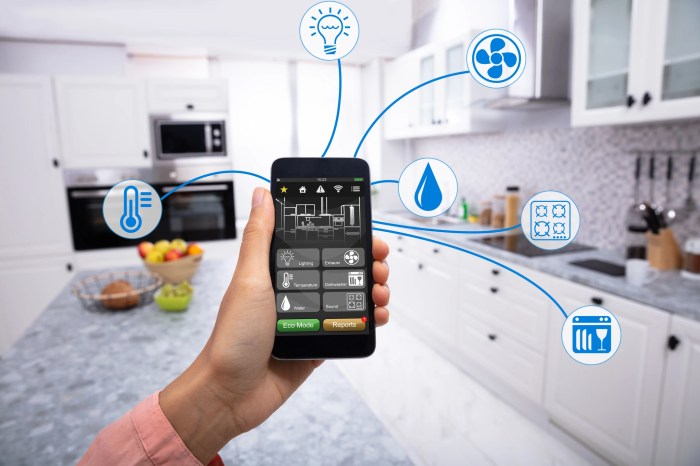
The modern home is rapidly evolving, transitioning from a collection of individual devices to a seamlessly interconnected ecosystem. Smart home integration appliances are at the forefront of this transformation, offering unprecedented convenience, efficiency, and control over our living spaces. This guide delves into the world of smart appliances, exploring their functionality, integration, security implications, and the exciting future they promise.
From energy-efficient refrigerators that track inventory to voice-activated lighting systems that adjust to your mood, smart appliances are redefining the way we interact with our homes. This exploration will cover various appliance types, their compatibility with different smart home ecosystems, and the crucial considerations of security and privacy in an increasingly connected world. We will also analyze the cost savings, enhanced user experience, and simplified maintenance associated with these technological advancements.
Smart Home Ecosystems and Compatibility
The seamless integration of your smart home appliances hinges on understanding the various ecosystems available and their compatibility. Choosing the right ecosystem or even utilizing multiple ecosystems effectively requires careful consideration of device compatibility and the overall user experience. This section delves into the major players in the smart home arena and explores the intricacies of ensuring your devices work together harmoniously.Smart home ecosystems act as central hubs, allowing you to control and monitor your connected devices through a single interface, typically a mobile app or voice assistant.
The major players are Google Home, Amazon Alexa, and Apple HomeKit, each with its strengths and weaknesses. Compatibility between appliances and ecosystems is paramount for a truly integrated and user-friendly smart home experience. Incompatibility can lead to frustration and limit the functionality of your devices.
Major Smart Home Ecosystems
Google Home, Amazon Alexa, and Apple HomeKit represent the dominant forces in the smart home ecosystem market. Google Home utilizes Google Assistant for voice control and integrates seamlessly with other Google services. Amazon Alexa, powered by the Alexa voice assistant, boasts a vast library of skills and works with a wide array of devices. Apple HomeKit prioritizes security and privacy, offering robust control over connected devices through Siri and the Home app.
Each ecosystem has its own strengths and weaknesses in terms of device compatibility, feature sets, and user experience. Choosing the right ecosystem often depends on existing technology you already use and your preferences for voice assistants and user interfaces.
Ecosystem Compatibility and Integration
Integrating smart appliances into different ecosystems can range from straightforward to complex, depending on the device’s capabilities and the ecosystem’s requirements. Many devices support multiple ecosystems, offering flexibility in choice. Others may be limited to a single platform. The integration process typically involves downloading the respective app, creating an account, and following the on-screen instructions to add the device to the ecosystem.
This often includes connecting the device to your home Wi-Fi network and allowing the app to access necessary permissions. Troubleshooting compatibility issues might involve checking device firmware updates, reviewing compatibility lists provided by manufacturers, or contacting customer support for assistance.
Comparison of Major Smart Home Ecosystems
The following table provides a comparison of the three major smart home ecosystems, highlighting their key features and limitations.
| Ecosystem | Pros | Cons | Device Compatibility |
|---|---|---|---|
| Google Home | Strong integration with Google services, excellent voice recognition, wide device support. | Can be less robust in terms of security features compared to HomeKit. | Extensive, but some devices may have limited functionality. |
| Amazon Alexa | Vast skill library, wide device compatibility, strong voice assistant capabilities. | Privacy concerns have been raised regarding data collection. | Very broad, but not all devices offer full feature support across all platforms. |
| Apple HomeKit | Strong emphasis on security and privacy, seamless integration with Apple devices. | Smaller device library compared to Alexa and Google Home, requires Apple devices for optimal functionality. | Growing, but focused on devices certified for HomeKit. |
Security and Privacy Concerns of Smart Appliances
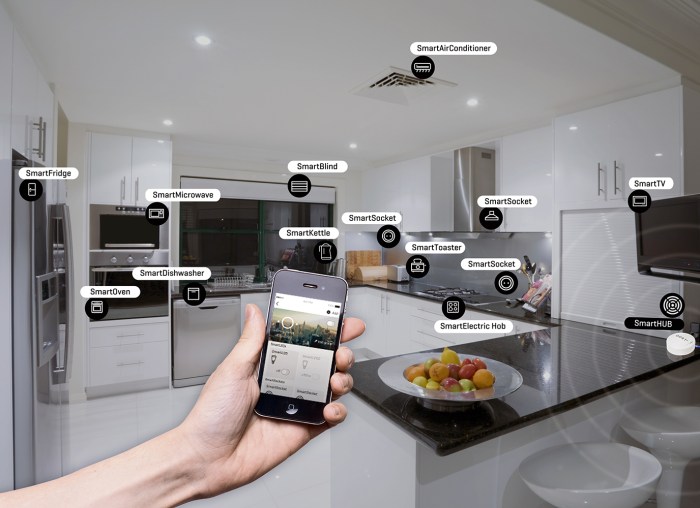
The increasing integration of smart appliances into our homes brings undeniable convenience, but it also introduces significant security and privacy risks. These connected devices, while offering automation and remote control, often lack robust security measures, making them vulnerable to various threats. Understanding these vulnerabilities and implementing appropriate safeguards is crucial for protecting both your personal information and the security of your home network.Smart appliances, by their nature, collect and transmit data about your daily routines and habits.
This data, if improperly secured, can be misused for malicious purposes, leading to privacy violations and potential identity theft. The interconnectedness of these devices also creates a larger attack surface, allowing a single breach to compromise multiple devices and systems.
Potential Security Vulnerabilities
Smart appliances can be susceptible to several security vulnerabilities, including weak default passwords, insecure communication protocols, and lack of regular software updates. Hackers can exploit these vulnerabilities to gain unauthorized access to your devices, potentially controlling them remotely or using them as entry points to your home network. For example, a compromised smart refrigerator could be used to access your home Wi-Fi network, providing a gateway for further attacks on other devices.
Similarly, insecure smart locks could be manipulated to grant access to intruders. The consequences can range from minor inconveniences to serious security breaches and financial losses.
Privacy Implications of Data Collection
Many smart appliances collect a considerable amount of personal data, including usage patterns, energy consumption, and even voice recordings in the case of voice-activated devices. This data is often transmitted to cloud servers for analysis and improvement of the device’s functionality. While this data collection can be beneficial for providing personalized experiences and improving product development, it also raises serious privacy concerns.
Data breaches can expose sensitive information about your lifestyle, habits, and even your location. Furthermore, the potential for data misuse, such as targeted advertising or even identity theft, is a significant concern.
Best Practices for Securing Smart Appliances and Protecting User Data
Securing smart appliances requires a multi-faceted approach. It’s crucial to start with strong, unique passwords for each device, avoiding default settings. Regularly updating the firmware of your appliances is essential to patch known security vulnerabilities. Using a strong and secure home Wi-Fi network with a robust password is also critical. Consider using a virtual private network (VPN) to encrypt your internet traffic and protect your data from unauthorized access.
Furthermore, carefully review the privacy policies of manufacturers and understand what data is being collected and how it is being used. Enabling two-factor authentication whenever possible adds an extra layer of security.
Recommendations for Enhancing Security and Privacy
Implementing the following recommendations can significantly improve the security and privacy of your smart appliances:
- Change default passwords to strong, unique passwords for each device.
- Enable two-factor authentication wherever available.
- Keep your devices’ firmware updated to the latest versions.
- Use a strong and secure Wi-Fi password.
- Consider using a VPN for added security.
- Review the privacy policies of manufacturers carefully.
- Limit the number of smart devices connected to your network.
- Regularly monitor your network for suspicious activity.
The Future of Smart Home Integration Appliances
The smart home revolution is far from over; in fact, it’s only just beginning to accelerate. We’re moving beyond individual smart devices towards a more seamless and intuitive integration of appliances, driven by advancements in technology and a growing demand for convenience and efficiency. The future of smart home integration promises a level of automation and personalization previously confined to science fiction.Emerging Trends and Technologies in Smart Home Appliance IntegrationThe integration of smart appliances is rapidly evolving, fueled by several key trends.
The Internet of Things (IoT) continues to expand, with more devices becoming interconnected and capable of communicating with each other and central hubs. This interconnectedness allows for sophisticated automation scenarios, such as automatically adjusting the temperature based on occupancy or preheating the oven remotely. Moreover, advancements in low-power wide-area networks (LPWANs) are enabling greater range and reliability for communication between devices, even in challenging environments.
Improved security protocols are also crucial, addressing past vulnerabilities and building trust in a more interconnected home environment. Finally, the rise of edge computing – processing data closer to the source – is reducing latency and improving responsiveness. This is particularly important for time-sensitive applications like smart appliances.
AI and Machine Learning’s Impact on Smart Appliances
Artificial intelligence (AI) and machine learning (ML) are poised to revolutionize smart home appliance integration. AI-powered appliances can learn user preferences and habits, adapting their functionality to optimize energy consumption, improve convenience, and anticipate needs. For example, a smart refrigerator could learn your shopping habits and automatically generate a shopping list, while a smart washing machine could optimize its cycles based on the type of fabric and level of soiling.
Machine learning algorithms enable predictive maintenance, alerting users to potential issues before they become major problems, minimizing downtime and extending the lifespan of appliances. The integration of natural language processing (NLP) will further enhance user interaction, allowing for voice control and more intuitive operation. This move towards personalized and predictive functionality marks a significant leap forward in the sophistication of smart appliances.
Predictions for the Future Development and Adoption of Smart Home Appliances
The widespread adoption of smart home appliances is expected to continue its upward trajectory. We can anticipate more sophisticated interoperability between different brands and ecosystems, driven by the need for seamless integration. The rise of subscription-based services offering proactive maintenance and advanced features will become increasingly common, mirroring the model adopted by many software and streaming services. Furthermore, the integration of smart appliances with other smart home systems, such as security and lighting, will become more seamless and intuitive.
For example, we might expect to see appliances automatically adjusting their operation based on security alerts, such as turning off lights and locking doors when the system detects an intrusion. This interconnectedness will create a more responsive and secure home environment. The integration of smart appliances into smart city infrastructure will also create opportunities for optimized energy consumption and resource management on a larger scale, reducing overall carbon footprint.
A Futuristic Smart Home Scenario
Imagine waking up in a home where the smart blinds automatically open, adjusting to the optimal light level for your sleep cycle. Your smart coffee maker begins brewing your preferred blend, while your smart shower preheats the water to your ideal temperature. As you leave for work, your smart home system optimizes energy consumption by adjusting the thermostat and turning off unnecessary appliances.
Throughout the day, your smart appliances monitor and adjust their functions based on your schedule and preferences, ensuring maximum efficiency and convenience. Upon your return, the home welcomes you with a comfortable ambiance, adjusting lighting and temperature to your liking. This seamless integration of technology into everyday life exemplifies the potential of advanced smart home appliances.
SMART APPLIANCES
Smart appliances are revolutionizing the way we manage energy consumption in our homes. By leveraging technology and connectivity, these devices offer significant opportunities for increased energy efficiency and, consequently, substantial cost savings. This section will explore the mechanisms through which smart appliances achieve these benefits, providing concrete examples and quantifiable data to illustrate their impact.Smart appliances contribute to energy efficiency primarily through intelligent control and optimization of energy usage.
Unlike traditional appliances that run continuously or according to pre-set schedules, smart appliances can adapt their operation based on real-time data, user preferences, and energy pricing. This dynamic approach minimizes energy waste and maximizes efficiency. Furthermore, many smart appliances incorporate advanced features like energy-monitoring capabilities, allowing users to track their energy consumption and identify areas for improvement.
Energy Efficiency Mechanisms of Smart Appliances
Smart appliances employ a variety of techniques to reduce energy consumption. For instance, many smart refrigerators utilize sensors to monitor internal temperature and adjust cooling accordingly, preventing unnecessary energy expenditure. Smart washing machines and dryers optimize wash cycles based on load size and fabric type, using less water and energy. Smart thermostats learn user preferences and automatically adjust temperatures to optimize heating and cooling, significantly reducing energy waste.
Smart lighting systems allow for precise control of lighting levels and schedules, eliminating the need for lights to remain on when unnecessary. This intelligent control is the key differentiator, enabling significant reductions in overall energy usage compared to their non-smart counterparts.
Cost Savings Associated with Smart Appliances
The energy savings achieved through smart appliances translate directly into lower energy bills. The extent of these savings varies depending on the appliance, usage patterns, and energy prices, but significant reductions are commonly observed. For example, a smart thermostat can reduce heating and cooling costs by up to 15% annually, according to studies conducted by the Department of Energy.
Similarly, energy-efficient smart refrigerators can significantly reduce electricity consumption compared to older models, resulting in substantial cost savings over their lifespan. The cumulative effect of using multiple smart appliances throughout the home can lead to considerable reductions in overall energy expenses.
Examples of Energy-Efficient Smart Appliances
Several smart appliances stand out for their significant energy-saving capabilities. Smart thermostats like Nest and Ecobee learn user preferences and optimize heating and cooling schedules, resulting in substantial energy savings. Smart refrigerators, such as those from Samsung and LG, incorporate advanced sensors and insulation to maintain optimal temperatures with minimal energy use. Energy Star certified smart washing machines and dryers offer optimized wash cycles that reduce water and energy consumption.
Finally, smart LED lighting systems with integrated sensors and dimming capabilities provide precise control over lighting, eliminating wasted energy from unnecessarily bright or long-duration lighting.
Energy Savings Potential of Smart Appliances
| Appliance | Potential Energy Savings (%) | Estimated Annual Savings (USD) | Notes |
|---|---|---|---|
| Smart Thermostat | 10-15% | $100-$150 | Savings vary based on climate and usage. |
| Smart Refrigerator | 5-10% | $50-$100 | Savings depend on model and usage patterns. |
| Smart Washing Machine & Dryer | 15-20% | $75-$150 | Savings vary depending on wash cycles and load sizes. |
| Smart LED Lighting | 50-75% | Variable | Savings depend heavily on prior lighting usage. |
As we’ve seen, the integration of smart appliances into our homes is not merely a technological advancement but a fundamental shift in how we live. The convenience, energy efficiency, and enhanced security offered by these devices are undeniable. While security and privacy concerns must be addressed proactively, the future of smart home integration is bright, promising even greater levels of automation, personalization, and seamless control over our living environments.
Embracing these advancements responsibly will unlock a future where technology works harmoniously with our lives, enhancing comfort and efficiency in ways we are only beginning to imagine.
FAQ Resource
What is the average lifespan of a smart appliance?
The lifespan varies greatly depending on the appliance and brand, but generally, you can expect a similar lifespan to traditional appliances, typically 5-10 years or more with proper maintenance.
Are smart appliances difficult to install?
Installation complexity varies. Some appliances are plug-and-play, while others may require professional installation or more technical setup involving your home’s network.
Do smart appliances require a constant internet connection?
Many smart appliances require a Wi-Fi connection for full functionality, although some features may still work offline.
How much do smart appliances cost compared to traditional appliances?
Smart appliances generally cost more upfront than their traditional counterparts, but potential energy savings and increased convenience can offset the higher initial investment over time.