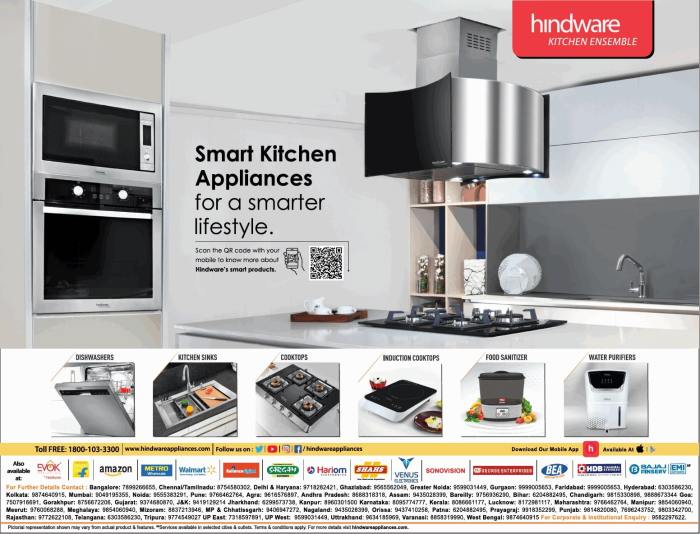
Navigating the world of smart appliances can be overwhelming, with a constant influx of new models and technological advancements. However, securing significant savings on these innovative devices is entirely possible with a little knowledge and planning. This guide delves into the best strategies for finding smart appliance deals and discounts, covering everything from understanding different discount types to identifying reputable retailers and leveraging promotional opportunities.
We’ll explore the key features and benefits of various smart appliances, helping you make informed purchasing decisions that align with your budget and lifestyle.
From energy-efficient refrigerators to voice-controlled ovens, we’ll examine a range of smart appliances, comparing their features, specifications, and price points. We’ll also address crucial factors to consider before buying, including compatibility, warranties, and the importance of reading customer reviews. Ultimately, this guide aims to empower you to find the perfect smart appliance at the best possible price, transforming your home into a more convenient, efficient, and connected space.
Understanding Smart Appliance Deals
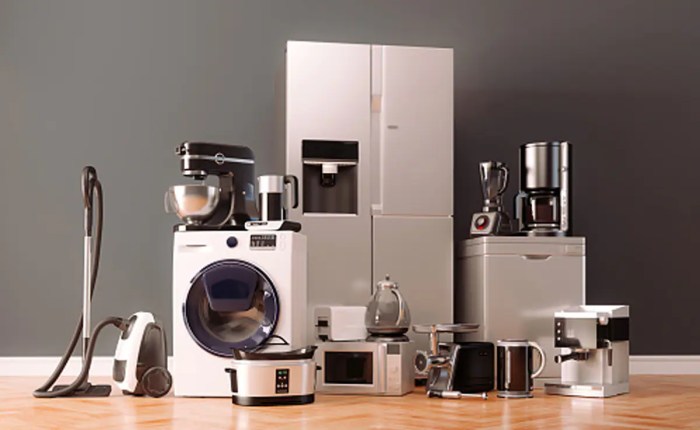
Smart appliance deals and discounts offer significant savings on technologically advanced home devices. These deals make the benefits of automation and convenience more accessible to a wider range of consumers. Understanding the various types of discounts and factors influencing pricing is crucial for making informed purchasing decisions.Smart appliance deals and discounts refer to promotional offers that reduce the price of smart home appliances.
These appliances integrate technology to offer features such as remote control, energy monitoring, and connectivity with other smart home devices. The discounts aim to incentivize purchases and increase market penetration.
Types of Smart Appliance Discounts
Several types of discounts are commonly offered on smart appliances. These offers provide flexibility for consumers seeking different levels of savings.Percentage discounts offer a straightforward reduction in the appliance’s original price. For example, a 20% discount on a $500 smart refrigerator would reduce the price to $400. Bundled deals offer discounts when purchasing multiple smart appliances together. This often provides greater savings than purchasing each item individually.
For example, a bundle might include a smart thermostat and a smart lock at a combined discounted price. Rebates involve a partial refund after the purchase. Consumers typically submit a claim with proof of purchase to receive the rebate amount.
Factors Influencing Smart Appliance Pricing
Several factors contribute to the varying prices of smart appliances. These factors influence the overall cost to the consumer and impact the available discounts.Brand reputation and recognition play a significant role. Established brands often command higher prices due to perceived quality and reliability. Technological features significantly impact pricing. Appliances with advanced capabilities like AI integration or sophisticated connectivity tend to be more expensive.
Manufacturing costs, including materials and labor, contribute to the base price. Higher-quality components and more complex manufacturing processes increase the final cost. Market demand and supply also influence pricing. High demand for a particular smart appliance can drive prices up, while oversupply can lead to discounts. Retailer markups and promotional strategies also affect the final price a consumer pays.
Retailers may adjust prices based on their own pricing strategies and promotional campaigns.
Smart Appliance Price Comparison
The following table compares the prices of similar smart appliances from different brands. Note that prices can vary based on retailer, specific model features, and sales promotions.
| Appliance | Brand A | Brand B | Brand C |
|---|---|---|---|
| Smart Refrigerator | $1800 | $1500 | $1200 |
| Smart Thermostat | $250 | $200 | $175 |
| Smart Washing Machine | $1400 | $1200 | $1000 |
| Smart Oven | $1000 | $900 | $800 |
Identifying Top Smart Appliance Deals
Finding the best deals on smart appliances requires a strategic approach. By understanding current market trends, comparing features across models, and utilizing effective search techniques, consumers can significantly reduce costs while acquiring high-quality smart home technology. This section will explore methods for identifying and comparing top smart appliance deals currently available.
Smart Refrigerator Deals
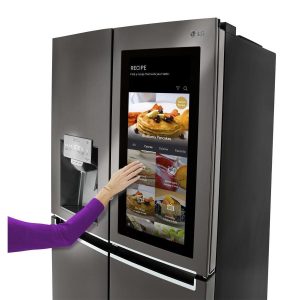
Several retailers frequently offer discounts on smart refrigerators. For example, a recent promotion at a major electronics retailer offered a $200 discount on a Samsung Family Hub refrigerator with a large capacity and integrated touchscreen. Another competitor showcased a similar discount on a LG InstaView refrigerator, emphasizing its door-in-door design and smart features. Comparing these two models within the same price range (after discounts) would involve evaluating factors such as internal storage configuration, energy efficiency ratings, and the specific functionalities of their smart features (e.g., inventory management, recipe suggestions).
A higher-end model might offer more advanced features like built-in cameras and voice control, but these additional features should be weighed against the higher initial cost.
Smart Washing Machine Deals
Smart washing machines are another area where competitive deals frequently emerge. During recent holiday sales, a significant discount was available on a Whirlpool smart washer featuring features such as Wi-Fi connectivity, app control, and various wash cycles. A competing model from GE offered a similar discount, but emphasized its steam cleaning capabilities and advanced stain removal technologies.
Comparing these models requires analyzing factors like wash cycle efficiency, water and energy consumption, and the sophistication of their smart features. For example, some models offer features such as automatic detergent dispensing or predictive maintenance alerts, while others might focus on basic app connectivity for starting and stopping cycles remotely.
Smart Speaker Deals
Smart speakers are often heavily discounted, especially during promotional periods. Amazon and Google frequently offer significant price reductions on their respective Echo and Google Home smart speakers, often bundling them with other smart home devices or services. These deals can significantly lower the barrier to entry for consumers looking to build a smart home ecosystem. Comparison in this category focuses on sound quality, voice recognition accuracy, smart home integration capabilities (compatibility with other smart devices and services), and the availability of specific features such as hands-free calling or music streaming services.
Higher-end models may offer improved sound quality and more advanced features, but these enhancements should be evaluated against the price increase.
Finding the Best Smart Appliance Deal: A Flowchart
The process of finding the best smart appliance deal can be visualized using a flowchart. The flowchart would begin with identifying the desired appliance type and features. This would then branch into researching available models and comparing their specifications and prices across various retailers (online and in-store). The next step would involve checking for current promotions, coupons, and discounts.
Finally, the process concludes with comparing the final price, features, and warranty options before making a purchase decision. The flowchart would clearly depict these steps and their interconnections, offering a structured approach to finding the best deal.
Smart Appliance Features and Benefits
Smart appliances are revolutionizing homes, offering a blend of convenience, energy efficiency, and enhanced security features not found in their traditional counterparts. This section delves into the specific features and benefits, comparing them to traditional models to highlight the advantages.Smart appliances offer a range of features designed to improve daily life and home management. These features often integrate seamlessly, providing a holistic smart home experience.
Voice Control Integration
Many smart appliances now boast voice control capabilities, allowing users to interact with them using voice commands through smart speakers or built-in microphones. This hands-free operation simplifies tasks like setting timers, adjusting temperatures, or starting cycles. For instance, you could say “Hey Google, preheat the oven to 350 degrees,” initiating the preheating process without needing to manually interact with the oven’s control panel.
This feature enhances convenience, especially for users with mobility limitations or those who prefer a hands-free approach to household chores.
App Integration and Remote Control
App integration is a cornerstone of smart appliance functionality. Dedicated mobile applications provide remote control, allowing users to monitor and manage their appliances from anywhere with an internet connection. This enables features such as remotely preheating an oven before arriving home, checking the status of a washing machine cycle, or adjusting the temperature of a smart thermostat. For example, the Whirlpool app allows users to remotely start, stop, and monitor their washing machines and dryers.
This level of control offers significant convenience and peace of mind.
Energy Efficiency and Consumption
Smart appliances are often designed with energy efficiency in mind. Features like smart sensors, optimized algorithms, and intelligent power management systems contribute to lower energy consumption compared to traditional models. For instance, smart refrigerators utilize sensors to monitor internal temperature and adjust cooling accordingly, reducing energy waste. Smart thermostats learn user preferences and adjust temperatures automatically, optimizing energy usage based on occupancy and weather conditions.
While the initial purchase price might be higher, the long-term energy savings can offset this cost over time. A study by the Department of Energy showed that smart thermostats can save an average household 10-12% on heating and 15% on cooling costs. However, it is important to note that the energy savings depend on the specific appliance, its features, and user habits.
Smart Appliance Feature Pros and Cons
The following list summarizes the advantages and disadvantages of common smart appliance features:
- Voice Control:
- Pros: Hands-free operation, convenient for multitasking, accessible to users with mobility challenges.
- Cons: Requires internet connectivity, potential privacy concerns related to voice data collection, reliance on voice recognition accuracy.
- App Integration:
- Pros: Remote control and monitoring, scheduling capabilities, access to usage data and diagnostics.
- Cons: Requires internet connectivity and a smartphone, potential security vulnerabilities if the app is not properly secured.
- Energy Efficiency:
- Pros: Reduced energy bills, lower carbon footprint, contributes to environmental sustainability.
- Cons: Higher initial purchase cost, reliance on accurate sensor data and algorithm optimization.
Factors to Consider Before Buying
Purchasing a smart appliance is a significant investment, requiring careful consideration beyond simply finding the lowest price. Several key factors influence the long-term satisfaction and value of your purchase. Failing to assess these elements thoroughly can lead to buyer’s remorse and potentially costly mistakes. This section Artikels crucial aspects to evaluate before committing to a purchase.Choosing the right smart appliance involves a multifaceted decision-making process.
Understanding your needs, budget constraints, and the appliance’s compatibility with your existing smart home ecosystem are crucial steps. Thorough research, including reading reviews and comparing specifications, will help you make an informed choice.
Budgetary Considerations
Establishing a clear budget is paramount. Smart appliances range significantly in price, depending on features, brand, and capabilities. Determine a realistic price range before browsing, preventing impulsive purchases exceeding your financial capacity. Consider not just the initial cost but also potential ongoing expenses like subscription fees for cloud services or increased energy consumption. For example, a high-end smart refrigerator with advanced features might cost several thousand dollars, while a basic smart thermostat can be purchased for under two hundred.
Compatibility and Integration
Smart appliances often integrate with existing smart home ecosystems like Google Home, Amazon Alexa, or Apple HomeKit. Before purchasing, verify compatibility with your current setup to ensure seamless control and automation. Incompatibility can lead to frustration and limit the appliance’s functionality. For instance, a smart lock that only works with Google Home might be unsuitable for a household relying on Amazon Alexa.
Warranty Information
Understanding the warranty offered is crucial. Warranties provide protection against defects and malfunctions within a specified period. Different manufacturers offer varying warranty lengths and coverage. Some may offer extended warranties for an additional fee. Compare warranty terms carefully, paying attention to what’s covered and for how long.
A longer warranty often indicates greater manufacturer confidence in the product’s reliability. For example, a one-year warranty on a washing machine might be considered standard, while a five-year warranty on a refrigerator suggests higher quality and durability.
Review Analysis and Specification Comparison
Reading online reviews from reputable sources provides valuable insights into real-world experiences with specific smart appliances. Pay attention to both positive and negative feedback, focusing on recurring themes regarding performance, reliability, and customer service. Comparing specifications from different manufacturers allows you to identify key differences in features, energy efficiency, and performance metrics. For instance, comparing the energy star rating of two different smart refrigerators will help you choose the more energy-efficient option.
Decision-Making Matrix
The following matrix helps visualize the decision-making process:
| Appliance | Price | Compatibility | Warranty | Reviews | Features | Your Needs | Decision |
|---|---|---|---|---|---|---|---|
| Smart Refrigerator A | $3000 | Google Home, Alexa | 5 years | 4.5 stars | Ice maker, smart inventory | Needs ice maker, large capacity | Consider |
| Smart Refrigerator B | $2000 | Alexa only | 2 years | 3.8 stars | No ice maker | Needs ice maker, large capacity | Reject |
| Smart Thermostat C | $150 | Google Home, Alexa, HomeKit | 1 year | 4.2 stars | Learning algorithms | Needs energy efficiency, ease of use | Consider |
This matrix allows you to weigh various factors and systematically evaluate different options, leading to a more informed purchase decision. Remember to adjust the criteria and weighting based on your individual priorities.
Smart Appliances
The smart appliance market is experiencing rapid growth, driven by technological advancements and a growing consumer desire for convenience, energy efficiency, and home automation. This section provides an overview of the various types of smart appliances available, the technological innovations fueling their expansion, their impact on energy consumption, and future trends shaping the industry.
Types of Smart Appliances
The range of smart appliances is constantly expanding. Currently, many common household appliances are available in smart versions. These include refrigerators with integrated screens displaying grocery lists and internal views of their contents, ovens that allow for preheating and cooking adjustments remotely via smartphone apps, washing machines and dryers that optimize cycles based on load size and fabric type, and smart thermostats that learn user preferences and adjust temperatures accordingly.
Beyond these, smart lighting systems, robotic vacuum cleaners, and smart security systems are also integral parts of the growing smart home ecosystem.
Technological Advancements Driving Market Growth
Several technological advancements are propelling the growth of the smart appliance market. The proliferation of affordable and powerful microprocessors allows for sophisticated control systems within appliances. The widespread adoption of Wi-Fi and other wireless communication protocols enables seamless integration with smartphones and home networks. The development of advanced sensors allows appliances to monitor their own performance and adapt to changing conditions.
Furthermore, the rise of artificial intelligence (AI) and machine learning (ML) facilitates more intuitive and personalized user experiences, enabling features such as predictive maintenance and automated scheduling. For example, a smart refrigerator might alert a user when an item is nearing its expiration date, while a smart washing machine could automatically adjust the wash cycle based on the detected type of fabric.
Impact on Energy Consumption and Environmental Sustainability
Smart appliances offer significant potential for reducing energy consumption and promoting environmental sustainability. Smart thermostats, for example, can learn user preferences and optimize heating and cooling schedules, leading to substantial energy savings. Smart washing machines and dryers can use less water and energy by optimizing wash cycles based on load size and fabric type. Furthermore, smart appliances can provide users with real-time feedback on their energy usage, empowering them to make more informed decisions about their consumption habits.
Companies are increasingly incorporating energy-efficient designs and features into their smart appliances, further contributing to environmental benefits. The integration of renewable energy sources into smart home systems also holds the potential to significantly reduce reliance on fossil fuels.
Future Trends and Innovations
The future of smart appliances promises even greater integration, intelligence, and personalization. We can anticipate further advancements in AI and ML, leading to appliances that can anticipate user needs and proactively adjust their settings. The increased use of voice assistants and other intuitive interfaces will further simplify appliance control. The integration of smart appliances with other smart home devices will create more cohesive and automated home environments.
For instance, imagine a scenario where a smart oven automatically preheats when your smart calendar indicates you’re arriving home for dinner, or a smart refrigerator automatically orders groceries based on your consumption patterns. The development of more sustainable and energy-efficient technologies will also continue to be a key focus, further reducing the environmental impact of smart appliances. Examples include appliances designed to utilize less water, operate on renewable energy, and incorporate recycled materials in their construction.
Unlocking significant savings on cutting-edge smart appliances requires a strategic approach. By understanding the various discount types, comparing prices across retailers, and leveraging promotional periods, you can significantly reduce the cost of upgrading your home technology. Remember to prioritize features that align with your needs and budget, and always read reviews before making a purchase. With careful planning and the insights provided in this guide, you can enjoy the convenience and efficiency of smart appliances without breaking the bank.
Embrace the future of home technology while maximizing your savings.
Questions and Answers
How long do smart appliance sales typically last?
Smart appliance sales vary in duration. Major holidays often see longer sales periods, while others might only last a week or even just a few days. Check retailer websites for specific sale dates.
Are refurbished smart appliances a good option for saving money?
Refurbished smart appliances can offer significant savings, but it’s crucial to purchase from reputable sellers offering warranties. Carefully examine the condition and ensure the appliance’s functionality before purchasing.
Can I finance the purchase of a smart appliance?
Many retailers offer financing options for large appliances, allowing you to spread payments over several months. Check with individual retailers for available plans and interest rates.
What is the average lifespan of a smart appliance?
The lifespan of a smart appliance varies depending on the brand, model, and usage. However, you can generally expect a lifespan similar to that of traditional appliances, typically between 10 and 15 years.