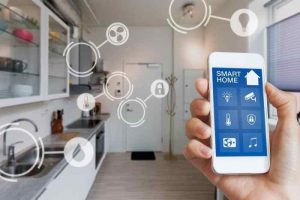
The rise of smart home technology has dramatically altered how we interact with our appliances. However, the cost of these advancements has often been a significant barrier to entry for many consumers. This exploration delves into the burgeoning world of affordable smart appliances, examining their capabilities, market trends, and the impact they are having on homes worldwide. We’ll explore what constitutes “affordable,” analyze the technological underpinnings of these devices, and consider their future trajectory within the broader smart home landscape.
From smart plugs offering remote control over lighting to budget-friendly smart thermostats optimizing energy consumption, the affordability of these devices is democratizing access to smart home conveniences. This report investigates the features, limitations, and consumer perceptions surrounding these increasingly popular devices, providing a balanced perspective on their benefits and drawbacks.
Defining “Affordable Smart Appliances”
The term “affordable smart appliances” is inherently subjective, varying significantly depending on individual income levels and geographical location. What constitutes “affordable” for a household in a high-income country like the United States might be considered a luxury in a developing nation. This definition requires careful consideration of both the cost of the appliance itself and its ongoing operational expenses, such as electricity consumption and internet connectivity.Defining affordability necessitates a nuanced approach, moving beyond a simple price point.
We must consider the percentage of disposable income a consumer dedicates to purchasing and maintaining a smart appliance. A $50 smart plug might be affordable for a high-income earner, but a significant financial burden for a low-income family. Similarly, the cost of internet access, often a prerequisite for many smart appliance functionalities, plays a crucial role in determining overall affordability.
Therefore, “affordable” is best understood as a relative term, dependent on the specific economic context of the consumer.
Examples of Affordable Smart Appliances
Several smart appliances currently exist within the “affordable” range. These often include entry-level smart plugs, which allow for remote control of household devices, and basic smart light bulbs offering features such as dimming and color temperature adjustment. Simple smart speakers, providing voice control capabilities for basic tasks like setting timers or playing music, also frequently fall into this category.
Budget-friendly smart thermostats, capable of learning user preferences and adjusting temperatures accordingly, are another example. The availability and specific models of these appliances will vary significantly depending on region and retailer. However, the overall trend is toward increased affordability and wider accessibility of basic smart home technology.
Features of Affordable Smart Appliances Compared to High-End Models
Affordable smart appliances typically offer a more limited set of features compared to their higher-priced counterparts. For instance, a budget smart speaker might only support a single voice assistant and lack advanced features such as high-fidelity audio or sophisticated voice recognition. Similarly, entry-level smart thermostats may offer basic scheduling and remote control, but lack the advanced learning algorithms and energy-saving features found in premium models.
In the case of smart appliances like refrigerators or washing machines, the affordable options might lack integrated cameras or sophisticated sensors that provide detailed usage data or predictive maintenance capabilities. The difference often lies in the level of sophistication of the integrated software, the quality of components used, and the extent of additional features beyond basic smart functionality.
Technological Aspects of Affordable Smart Appliances
Affordable smart appliances represent a significant step towards greater home automation accessibility, but their functionality and capabilities often differ from their higher-priced counterparts. Understanding the underlying technologies and their limitations is crucial for informed consumer choices. This section delves into the technological aspects of these devices, examining their energy efficiency, connectivity, and overall performance.
Key Technologies and Limitations
Affordable smart appliances typically utilize simplified versions of the technologies found in premium models. For instance, they might employ less powerful processors, resulting in slower response times and potentially limited functionalities. Instead of advanced machine learning algorithms for features like predictive maintenance or personalized settings, simpler rule-based systems are often used. The sensors employed may also be less precise, impacting the accuracy of data collection and analysis.
For example, a cheaper smart thermostat might rely on a single temperature sensor, leading to less precise temperature control compared to a higher-end model with multiple sensors and sophisticated algorithms for room-by-room temperature management. This simplification allows for lower manufacturing costs, making the appliances more accessible, but it inevitably compromises on performance and advanced features.
Energy Efficiency and Environmental Impact
While the energy efficiency of affordable smart appliances varies greatly depending on the specific product and manufacturer, many models are designed with energy saving in mind. Features like scheduling and remote control allow users to optimize energy consumption, potentially leading to lower electricity bills and a reduced carbon footprint. However, the environmental impact also extends beyond direct energy use.
The manufacturing process of these devices, including the sourcing of raw materials and the disposal of electronic waste, must be considered. The longevity of the device is also a factor; a shorter lifespan necessitates more frequent replacements, contributing to e-waste. Choosing appliances from manufacturers committed to sustainable practices and responsible recycling programs can mitigate this negative environmental impact.
For example, the Energy Star certification program provides a valuable benchmark for evaluating the energy efficiency of appliances.
Connectivity Options
Affordable smart appliances utilize a range of connectivity options, primarily Wi-Fi, Bluetooth, and occasionally Zigbee. The choice of technology depends on factors such as range, power consumption, data throughput, and the overall smart home ecosystem. Wi-Fi offers broader range and higher bandwidth, ideal for appliances requiring frequent data exchange or remote access, but it consumes more power. Bluetooth provides a shorter range but lower power consumption, suitable for smaller devices or those with less frequent communication needs.
Zigbee, a low-power wireless protocol, is often used for mesh networks, enabling communication between multiple devices without relying on a central hub.
| Appliance Type | Wi-Fi | Bluetooth | Zigbee |
|---|---|---|---|
| Smart Plugs | Common | Less Common | Rare |
| Smart Lights | Common | Common | Sometimes |
| Smart Thermostats | Common | Rare | Sometimes |
Consumer Perception and Adoption
The success of affordable smart appliances hinges on consumer perception and adoption rates. Understanding how consumers view these products, in terms of both their perceived value and their reliability, is crucial for manufacturers and retailers alike. This section explores consumer attitudes, highlighting both positive and negative experiences, and identifying key factors driving (or hindering) adoption.Consumer perceptions of affordable smart appliances are complex and often shaped by prior experiences with technology and price expectations.
While the lower price point is undeniably attractive, many consumers remain hesitant due to concerns about the quality and longevity of these devices. The perception of value is heavily influenced by the features offered, ease of use, and the overall user experience. Reliability, often equated with brand reputation and customer support, plays a significant role in shaping consumer confidence.
Perceived Value and Reliability of Affordable Smart Appliances
Consumers generally associate higher prices with better quality and longer lifespan. Therefore, affordable smart appliances often face an uphill battle in convincing consumers of their worth. Many perceive a trade-off between price and performance, anticipating lower quality materials, shorter lifespans, and potentially less robust features compared to premium brands. This perception is sometimes reinforced by negative reviews focusing on issues like connectivity problems, software glitches, and poor customer service.
However, positive experiences often center around the affordability itself, enabling access to smart home technology for a wider range of consumers. The perceived value is also enhanced when the appliance fulfills its core function reliably and integrates seamlessly with other smart home devices.
Examples of Customer Reviews
Understanding consumer sentiment requires examining both positive and negative reviews. The following examples illustrate the range of experiences:
- Positive Review Example: “I was hesitant to buy a budget smart thermostat, but this one has been amazing! It’s easy to use, connects flawlessly to my phone, and has already saved me money on my energy bills. I’m very impressed with the value for the price.” This review highlights the successful integration and tangible benefits (energy savings) exceeding the consumer’s expectations.
- Negative Review Example: “The smart plug stopped working after only three months. The app is clunky and unreliable, and customer support was unhelpful. I wouldn’t recommend this brand.” This review demonstrates a common concern: short lifespan and poor customer service, undermining the perceived value despite the initial low cost.
- Positive Review Example: “For the price, this smart speaker is incredible. The sound quality is surprisingly good, and it works perfectly with my other smart devices. It’s a great entry point into the smart home ecosystem.” This highlights the successful entry-level experience and ease of integration within the smart home ecosystem, which outweighs the initial price concerns.
- Negative Review Example: “The app kept crashing, and the smart refrigerator’s Wi-Fi connection was constantly dropping. It was more frustrating than helpful. I ended up returning it.” This review exemplifies a common frustration with unreliable connectivity and software issues that negate the value proposition of smart features.
Factors Influencing Consumer Adoption
Several factors significantly influence whether consumers choose to adopt affordable smart appliances. These factors can be broadly categorized as technological, economic, and social.
- Technological Factors: Ease of use, seamless integration with other smart home devices, reliable connectivity, and robust app functionality are crucial. Consumers are less likely to adopt devices perceived as difficult to use or unreliable.
- Economic Factors: Price remains a primary driver. Affordability directly impacts accessibility for a larger consumer base. However, perceived value for money is equally important; consumers must believe they are getting good value for their investment.
- Social Factors: Social influence, including reviews, recommendations from friends and family, and online communities, plays a significant role. Positive word-of-mouth and a strong brand reputation are essential for building consumer trust and encouraging adoption.
Future of Affordable Smart Appliances
The future of affordable smart appliances is bright, driven by continuous technological advancements and increasing consumer demand for convenient and energy-efficient home solutions. We can expect to see a significant expansion of the market, encompassing a wider range of appliances and functionalities, all while remaining accessible to a broader demographic.The affordability and accessibility of smart home technology will continue to be a major driving force in the market’s growth.
This expansion will be fueled by several key factors, including technological innovations that reduce manufacturing costs, increased competition leading to lower prices, and the development of more efficient and sustainable manufacturing processes.
Technological Advancements Driving Affordability
Several technological advancements are poised to make smart appliances even more affordable. Miniaturization of components, such as microcontrollers and sensors, is already reducing manufacturing costs. The development of more efficient and cost-effective power management systems will also contribute to lower energy consumption and thus, lower operating costs for consumers. Furthermore, the rise of open-source hardware and software platforms allows for greater customization and potentially lower development costs, ultimately benefiting consumers through lower prices.
For example, the adoption of low-power wide-area networks (LPWAN) for communication between appliances and hubs can reduce energy consumption and simplify the infrastructure needed for smart home setups. This translates to both lower manufacturing and operational costs.
Projected Market Growth
A visual representation of the projected growth of the affordable smart appliance market over the next five years would show a steep upward trend. Imagine a line graph, starting at a relatively low point in year one, representing the current market size. This line would then sharply ascend, indicating a significant increase in market size each year. By year five, the line would reach a considerably higher point, representing a substantial expansion of the market.
This growth can be exemplified by considering the current adoption rate of smart speakers and smart thermostats, which are relatively affordable entry points into the smart home ecosystem. As these become more commonplace, the demand and adoption of other more sophisticated affordable smart appliances will naturally increase. We can reasonably expect a doubling or even tripling of the market size within five years, based on current growth trajectories and anticipated technological advancements.
Smart Appliances
Smart appliances represent a significant evolution in home technology, integrating internet connectivity and sophisticated software to enhance functionality and user experience beyond traditional models. These devices offer a range of features designed to improve efficiency, convenience, and even energy conservation within the home environment. This section explores the breadth of smart appliances, their advantages and disadvantages, and their contribution to a more automated and convenient home.Smart appliances encompass a wide variety of household items, each offering unique functionalities.
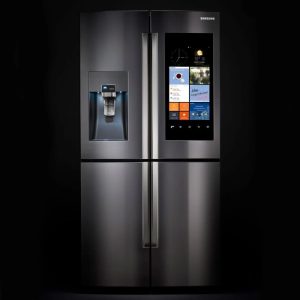
Refrigerators with integrated cameras allowing remote inventory checks, ovens that preheat automatically based on scheduled meal times, washing machines that optimize cycles based on fabric type and soil level, and smart thermostats that learn user preferences and adjust accordingly are just a few examples. Many appliances also integrate with voice assistants, enabling hands-free control and operation. The integration of smart technology varies widely depending on the manufacturer and model.
Types and Functionalities of Smart Appliances
Smart appliances are categorized based on their primary function and the level of smart features they incorporate. For instance, smart refrigerators typically include features such as internal cameras, inventory management systems, and temperature control via a smartphone app. Smart ovens often boast pre-programmed cooking settings, remote control capabilities, and self-cleaning functionalities. Smart washing machines and dryers commonly offer optimized wash cycles, remote monitoring, and delayed start options.
Beyond these common categories, other appliances like smart lighting systems, robotic vacuum cleaners, and smart security systems contribute to a comprehensive smart home ecosystem. The functionalities of each appliance overlap and integrate to create a cohesive and interconnected experience.
Benefits and Drawbacks of Smart Appliances
The benefits of using smart appliances are numerous. Improved energy efficiency through optimized cycles and usage patterns is a key advantage. Convenience is another significant benefit, offering remote control and automation of household tasks. Enhanced safety features, such as leak detection in washing machines or automated shut-off mechanisms in ovens, contribute to a safer home environment. However, drawbacks also exist.
The initial cost of smart appliances is generally higher than their non-smart counterparts. Concerns regarding data privacy and security, as these appliances collect and transmit user data, are valid considerations. Furthermore, reliance on internet connectivity can be a point of failure, rendering some features unusable during outages.
Smart Appliances and Home Automation
Smart appliances are integral to the concept of home automation, contributing to a seamless and interconnected living experience. Through integration with smart home hubs and platforms, these appliances can communicate and coordinate their actions, creating automated routines and scenarios. For example, a smart thermostat can automatically adjust the temperature based on occupancy detected by smart sensors, while a smart lighting system can dim the lights at sunset.
Similarly, a smart oven can preheat while the smart refrigerator notifies the user of expiring ingredients, facilitating a streamlined cooking process. This level of automation improves convenience, energy efficiency, and overall home management.
Affordable smart appliances represent a significant step towards making smart home technology accessible to a wider audience. While limitations in features and longevity may exist compared to premium models, the increasing availability and functionality of these devices are reshaping how we manage our homes and energy consumption. The future of this sector looks bright, with ongoing technological advancements promising even greater affordability and innovation, further bridging the gap between technology and everyday life.
FAQ Section
What are the typical lifespan differences between affordable and premium smart appliances?
Affordable smart appliances may have shorter lifespans due to using less durable components. Premium models often boast longer warranties and more robust construction.
How secure are affordable smart appliances?
Security varies greatly. Prioritize appliances with strong encryption and regular software updates. Check reviews for any known vulnerabilities.
Do affordable smart appliances work with all smart home ecosystems?
Compatibility differs. Some work only with specific platforms (e.g., Google Home, Amazon Alexa), while others offer broader compatibility.
Can I control affordable smart appliances remotely?
Most offer remote control via smartphone apps, though the level of functionality may vary. Check the app’s features before purchase.