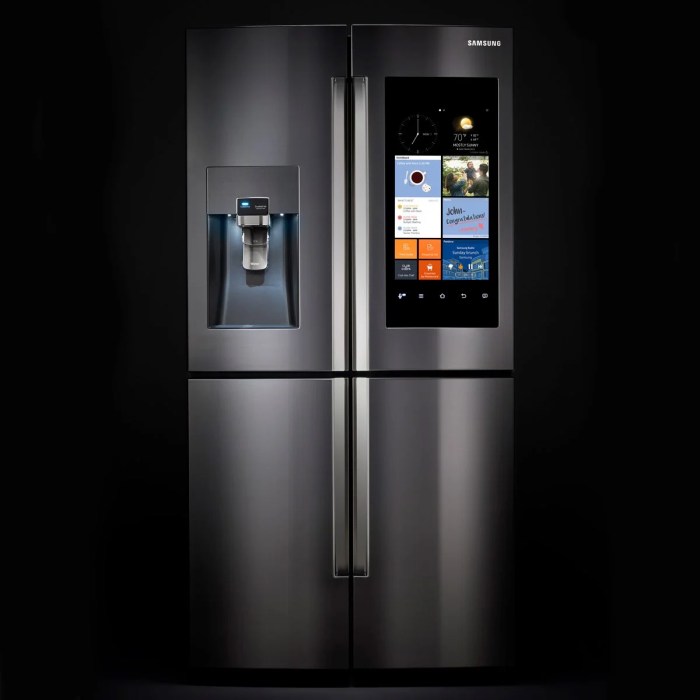
The rise of smart home technology has transformed how we interact with our appliances, but the high price tags often associated with these innovations have left many feeling excluded. This guide explores the burgeoning world of affordable smart appliances, examining how these devices offer significant convenience and potential cost savings without breaking the bank. We’ll delve into the features, benefits, and drawbacks, helping you navigate the market and make informed purchasing decisions.
From energy-efficient smart lighting to cleverly designed smart plugs, the options available are surprisingly diverse. We’ll dissect various categories, comparing affordable models to their high-end counterparts, highlighting key differences in functionality and longevity. Understanding the nuances of affordability, encompassing both initial purchase price and long-term running costs, is crucial. This guide aims to empower you to make choices that align with your budget and lifestyle.
Defining “Affordable Smart Appliances”
Defining affordability in the context of smart appliances requires a nuanced approach, considering not only the initial purchase price but also ongoing operational costs and the product’s lifespan. A truly affordable smart appliance balances these three factors to provide good value for money over its expected useful life. This contrasts with a purely cost-focused approach, where a low initial price might be offset by high energy consumption or a short lifespan.Affordability is also relative to the market.
What constitutes an affordable smart appliance in a developed country like the United States might be considered a luxury in a developing country like India. Economic disparities and purchasing power significantly influence the definition.
Affordability Criteria for Smart Appliances
Several factors contribute to the affordability of smart appliances. The initial purchase price is a primary consideration. However, the ongoing operational costs, including electricity consumption and potential subscription fees for cloud services, must also be factored in. The product’s lifespan is another crucial aspect; a longer-lasting appliance, even with a slightly higher initial cost, might ultimately prove more affordable over its lifetime.
Finally, the appliance’s repair costs and the availability of spare parts should be considered. A device with easily accessible and affordable repair options can extend its useful life and reduce its overall cost.
Examples of Affordable Smart Appliances Across Markets
In developed countries, affordable smart appliances often include entry-level smart plugs, basic smart light bulbs, and simpler smart speakers with limited functionality. These products generally cost between $20 and $100. In contrast, in developing countries, the affordability landscape is different. Simple smart irrigation systems using low-cost sensors and readily available microcontroller boards are gaining popularity, providing cost-effective solutions for farmers.
Similarly, affordable smart energy meters are being adopted to improve energy efficiency and reduce costs. The focus is often on solutions addressing critical needs with minimal functionality.
Comparison of Affordable and High-End Smart Appliances
The following table compares features of affordable and high-end smart appliances. Note that the cost difference is a general estimate and can vary significantly depending on the specific brands and models.
| Appliance Feature | Affordable Model | High-End Model | Cost Difference |
|---|---|---|---|
| Connectivity | Wi-Fi only | Wi-Fi, Bluetooth, Zigbee, Thread | $50 – $150 |
| Processing Power | Basic microcontroller | Powerful processor with advanced AI capabilities | $100 – $300 |
| Integration with other smart home devices | Limited compatibility | Seamless integration with a wide range of smart home ecosystems | $75 – $200 |
| Energy Efficiency | Moderate energy consumption | High energy efficiency with advanced power management features | Variable, but often minimal cost difference due to energy savings over time |
| App Features and Control | Basic app with limited customization | Sophisticated app with extensive customization and automation options | $25 – $100 |
| Durability and Lifespan | Shorter lifespan (3-5 years) | Longer lifespan (7-10 years or more) | Variable, but high-end models justify the higher upfront cost through longer service life |
Benefits and Drawbacks of Affordable Smart Appliances
The rise of affordable smart appliances presents a compelling proposition for budget-conscious consumers seeking to integrate smart technology into their homes. However, understanding both the advantages and limitations is crucial before making a purchase. This section will explore the benefits and drawbacks of these devices, helping consumers make informed decisions.
Advantages of Affordable Smart Appliances
The allure of affordable smart appliances lies in their ability to offer many of the conveniences of their premium counterparts at a significantly lower price point. This accessibility opens up opportunities for a wider range of consumers to enjoy the benefits of smart home technology. These benefits primarily fall into three categories: convenience, energy efficiency, and cost savings.
- Convenience: Affordable smart appliances often offer basic smart functionalities, such as remote control via a smartphone app. This allows users to adjust settings, monitor appliance status, and schedule operations from anywhere with an internet connection. For example, preheating an oven remotely before arriving home or starting a washing machine cycle while at work significantly enhances convenience.
- Energy Efficiency: While the level of energy efficiency may not match premium models, many affordable smart appliances incorporate features designed to optimize energy consumption. Smart power management, optimized wash cycles, and energy-saving modes can lead to modest reductions in energy bills compared to traditional appliances. The savings might not be dramatic, but they accumulate over time.
- Cost Savings: The most obvious advantage is the initial purchase price. Affordable smart appliances significantly reduce the upfront investment compared to premium models, making smart home technology accessible to a broader consumer base. This lower cost of entry allows consumers to experience the benefits of smart home technology without a substantial financial commitment.
Disadvantages of Affordable Smart Appliances
While offering attractive benefits, affordable smart appliances also come with potential drawbacks. These limitations are often related to functionality, security, and longevity.
- Limited Functionality: Compared to premium models, affordable smart appliances often have fewer features and less sophisticated capabilities. They may lack advanced functionalities such as voice control integration with multiple platforms, detailed data analytics, or seamless integration with other smart home devices. For instance, an affordable smart refrigerator might only offer basic temperature control via an app, lacking features like inventory management or internal camera views.
- Security Concerns: Concerns regarding data security and privacy are valid for any smart device, but can be heightened with less expensive models. These appliances might have less robust security protocols, making them potentially more vulnerable to hacking or data breaches. It’s crucial to research the manufacturer’s security practices and update firmware regularly to mitigate these risks.
- Shorter Lifespan: Affordable smart appliances may have a shorter lifespan compared to premium models due to the use of less durable components or simpler manufacturing processes. This translates to a potentially higher replacement cost in the long run, offsetting some of the initial cost savings.
Comparative Table: Affordable vs. Premium Smart Appliances
The following table summarizes the key differences between affordable and premium smart appliances:
| Feature | Affordable Smart Appliances | Premium Smart Appliances |
|---|---|---|
| Price | Lower initial cost | Higher initial cost |
| Functionality | Basic smart features; limited capabilities | Advanced features; extensive capabilities |
| Energy Efficiency | Moderate energy savings | Significant energy savings |
| Durability | Potentially shorter lifespan | Generally longer lifespan |
| Security | May have less robust security features | Typically stronger security protocols |
| Integration | Limited integration with other smart home devices | Seamless integration with various smart home ecosystems |
Smart Appliances
Smart appliances represent a significant advancement in home technology, integrating internet connectivity and sophisticated software to enhance functionality and convenience. This integration allows for remote control, automated operation, and data-driven optimization, transforming the way we interact with household devices. The underlying technology encompasses various components, including embedded microprocessors, wireless communication modules (Wi-Fi, Bluetooth), and cloud-based platforms for data management and user interaction.Smart appliance technology has evolved dramatically since its early stages.
Initially, basic remote control capabilities were the primary focus. However, advancements in artificial intelligence (AI), machine learning (ML), and the Internet of Things (IoT) have led to more sophisticated features such as voice control, predictive maintenance, and energy optimization. This evolution has profoundly impacted consumers by offering increased convenience, energy efficiency, and enhanced home management capabilities. The shift towards smart appliances reflects a broader trend towards automation and connected living, reshaping consumer expectations and driving innovation in the home appliance sector.
Major Smart Appliance Manufacturers
The smart appliance market is dominated by a handful of major players, each with its own ecosystem and technological approach. These manufacturers invest heavily in research and development, constantly striving to improve their products and expand their market share. Competition among these companies fuels innovation, benefiting consumers with a wider variety of choices and features.
- Whirlpool Corporation: A global leader offering a wide range of smart appliances across various brands, including Whirlpool, KitchenAid, and Maytag. They focus on user-friendly interfaces and integration with popular smart home platforms.
- Samsung Electronics: Known for its innovative technology and stylish designs, Samsung offers a comprehensive line of smart appliances that seamlessly integrate with its SmartThings ecosystem. Their focus is often on premium features and connectivity.
- LG Electronics: LG is another major player, competing strongly with Samsung in the smart appliance market. They offer a range of smart appliances with features emphasizing energy efficiency and advanced technologies.
- GE Appliances: A prominent player in the US market, GE Appliances offers a diverse selection of smart appliances integrated with its own platform and compatible with other smart home systems.
- Bosch Home Appliances: Bosch is recognized for its high-quality and durable appliances. Their smart appliances typically emphasize precise control and efficient operation.
Consumer Considerations for Purchasing Affordable Smart Appliances
Purchasing affordable smart appliances can offer significant value, but careful consideration is crucial to avoid potential pitfalls. Understanding your needs, researching thoroughly, and planning for long-term costs will ensure a positive experience. This section Artikels key factors to consider before making a purchase.
Checklist for Purchasing Affordable Smart Appliances
Before committing to a purchase, create a checklist to ensure you’re making an informed decision. This will help you navigate the various features and potential drawbacks of budget-friendly smart appliances. A thorough approach minimizes the risk of buyer’s remorse.
- Compatibility: Verify compatibility with your existing home network (Wi-Fi standards, router capabilities) and other smart home devices. Incompatibility can render the appliance useless or limit its functionality. For example, ensure your chosen smart refrigerator works seamlessly with your existing smart home ecosystem (like Google Home or Amazon Alexa).
- Warranty: Examine the warranty terms carefully. A longer warranty period often indicates higher confidence in the product’s reliability. Note any exclusions or limitations, such as those related to software or internet connectivity issues.
- App Reviews: Read user reviews on app stores (Apple App Store, Google Play Store) and dedicated review sites. Pay attention to recurring issues, such as app crashes, connectivity problems, or difficulty with setup.
- Energy Efficiency: Check the appliance’s energy efficiency rating (e.g., Energy Star certification). While energy savings might not be immediate, it contributes to long-term cost savings and environmental responsibility.
- Security Features: Assess the security measures implemented to protect your data and your home network. Look for features like data encryption and strong password requirements. Poor security could compromise your personal information or even your home network’s security.
Comparing Different Models
Comparing different models effectively involves a multi-faceted approach, focusing on key specifications, user feedback, and price. This ensures you’re getting the best value for your money.
- Specifications: Compare key features like capacity, power consumption, smart functionalities (e.g., remote control, voice commands, app integration), and build quality. For example, when comparing washing machines, consider the spin speed, wash cycles, and overall dimensions.
- User Reviews: Analyze user reviews from multiple sources to identify common pros and cons. Look for patterns in the feedback; consistent positive or negative comments often indicate underlying strengths or weaknesses. Consider the number of reviews; a higher volume usually suggests greater reliability.
- Price Points: Compare prices from various retailers. Factor in any additional costs such as installation fees, extended warranties, or subscriptions for cloud services. Don’t solely focus on the initial purchase price; consider the total cost of ownership.
Long-Term Costs
Understanding the long-term costs associated with smart appliances is crucial for budget planning. These costs extend beyond the initial purchase price.
Consider factors like potential repair costs (especially if the warranty is short or doesn’t cover specific issues), energy consumption (which can vary significantly depending on the appliance and its usage), and the cost of ongoing subscriptions for cloud services or app features. For instance, some smart appliances require monthly or annual subscriptions for features like advanced analytics or remote access.
Unexpected repairs on a budget appliance could quickly negate any initial cost savings.
The Future of Affordable Smart Appliances
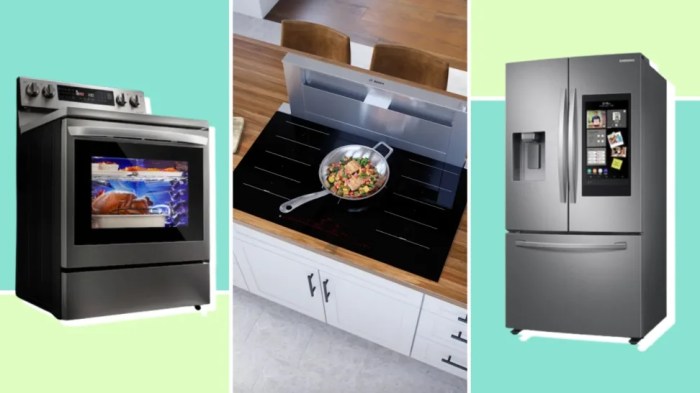
The increasing demand for smart home technology is pushing manufacturers to innovate and find ways to make these devices more accessible to a wider range of consumers. The future of affordable smart appliances hinges on several key factors: advancements in manufacturing, the development of more energy-efficient components, and the continued expansion of smart home ecosystems. This will lead to a more interconnected and user-friendly smart home experience, further driving down costs and increasing accessibility.The convergence of several technological advancements is poised to significantly impact the affordability and accessibility of smart appliances.
We are likely to see a continued decrease in the cost of essential components like microprocessors and sensors, thanks to economies of scale and ongoing technological refinement. Furthermore, the rise of open-source hardware and software platforms could empower smaller manufacturers to enter the market, fostering competition and driving down prices.
Emerging Technologies Impacting Affordability and Accessibility
Several emerging technologies are set to revolutionize the affordability and accessibility of smart appliances. The development of low-power wide-area networks (LPWANs) like LoRaWAN and NB-IoT promises to reduce the energy consumption and cost associated with connecting smart appliances to the internet. This will be particularly beneficial for battery-powered devices, extending their lifespan and reducing the need for frequent battery replacements.
Additionally, advancements in artificial intelligence (AI) and machine learning (ML) will allow for more sophisticated energy management systems within appliances, optimizing their performance and reducing energy waste. For example, a smart refrigerator employing AI could predict consumption patterns and adjust its cooling accordingly, minimizing energy use.
Innovations for Enhanced Energy Efficiency and Cost-Effectiveness
Innovations in material science are also playing a crucial role. The development of more energy-efficient motors and improved insulation materials will contribute to lower running costs for appliances. For instance, the use of advanced heat pump technology in refrigerators and washing machines can significantly reduce energy consumption compared to traditional models. Furthermore, the integration of renewable energy sources, such as solar panels, into smart home ecosystems will further reduce reliance on the grid and lower overall energy bills.
Imagine a smart washing machine that automatically adjusts its wash cycle based on the availability of solar power, optimizing both energy efficiency and cost.
Challenges to Widespread Adoption
Despite the promising outlook, several challenges could hinder the widespread adoption of affordable smart appliances. One major hurdle is the digital divide – ensuring equitable access to high-speed internet and the necessary digital literacy skills for all consumers. Furthermore, concerns regarding data privacy and security remain a significant obstacle. Consumers need assurance that their data is protected and that their smart appliances are not vulnerable to cyberattacks.
Finally, the need for robust and reliable after-sales service and support is critical to build consumer trust and encourage adoption. A lack of readily available and affordable repair services could discourage consumers from investing in smart appliances, particularly in underserved communities.
Illustrative Example: A Smart Thermostat
Affordable smart thermostats represent a compelling entry point into the world of smart home technology. They offer significant potential for energy savings and convenience without breaking the bank, making them an attractive option for budget-conscious consumers. This example will focus on a typical model’s features and functionality, illustrating how these devices contribute to energy efficiency.Smart thermostats typically connect to your home’s Wi-Fi network, allowing for remote control via a smartphone app.
This connectivity enables features like programmable scheduling, geofencing (automatically adjusting temperature based on your location), and learning algorithms that adapt to your usage patterns to optimize energy consumption. They often include a clear, easy-to-read display showing the current temperature, set temperature, and various modes. Data collected by the thermostat can also provide insights into your energy usage, helping you identify areas for improvement.
Smart Thermostat Functionality and Energy Impact
A typical affordable smart thermostat features a large, easy-to-read LCD screen displaying the current room temperature and the set temperature. Buttons or a touchscreen interface allow users to adjust the temperature manually or access various modes, such as “Home,” “Away,” “Sleep,” and “Eco.” The “Away” mode, for example, automatically lowers the temperature when no one is home, saving energy.
The “Eco” mode maintains a comfortable but energy-efficient temperature. The thermostat’s learning algorithm analyzes your temperature preferences and adjusts the schedule accordingly over time to optimize energy usage. This learning capability reduces the need for constant manual adjustments, further enhancing energy efficiency. The device typically connects to your home’s Wi-Fi network, allowing remote control and monitoring through a dedicated mobile application.
This app often provides detailed energy usage reports, visualizing how much energy has been saved and allowing for fine-tuning of temperature settings. The energy savings achieved depend on factors like your home’s insulation, climate, and personal habits; however, reductions in energy consumption of 10-15% are commonly reported.
Smart Thermostat Interface Description
Imagine a rectangular device, approximately 4 inches wide and 5 inches tall, with a sleek, modern design. The front is dominated by a large, backlit LCD screen showing the current temperature in clear, large digits (e.g., 72°F). Below the temperature display, smaller icons represent different modes (“Home,” “Away,” “Sleep,” “Eco”), and the current mode is highlighted. A small graphic bar visually represents the temperature setting relative to the current room temperature.
Below the icons, a series of touch-sensitive buttons or a touchscreen allows for adjustments and menu navigation. The device’s casing is typically made of matte white plastic, with subtle accents around the screen and buttons. The overall aesthetic is minimalist and clean, designed to blend seamlessly into any home décor.
Ultimately, the accessibility of affordable smart appliances is democratizing the smart home revolution. While some compromises may be necessary in terms of features or lifespan compared to premium models, the potential energy savings and enhanced convenience are undeniable. By carefully considering your needs and conducting thorough research, you can seamlessly integrate affordable smart technology into your home, improving efficiency and comfort without exceeding your budget.
The future of smart homes is inclusive, and affordable smart appliances are paving the way.
Common Queries
What is the lifespan of an affordable smart appliance compared to a premium one?
Affordable smart appliances generally have a shorter lifespan than premium models, potentially lasting 3-5 years versus 7-10 years or more. This is often due to using less durable components.
Are affordable smart appliances secure?
Security is a concern with all smart devices. Look for appliances from reputable brands with strong security protocols and regularly update firmware. Consider using strong passwords and enabling two-factor authentication where available.
How much can I save on energy bills with affordable smart appliances?
Savings vary depending on the appliance and your usage habits. Smart thermostats and lighting can lead to significant reductions, while smart plugs offer more modest savings by controlling power consumption of individual devices.
What happens if the app for my affordable smart appliance stops working?
App support varies. Some manufacturers may offer ongoing support, while others may discontinue app maintenance after a certain period. Check the manufacturer’s warranty and app reviews before purchasing.