Imagine a world where your appliances anticipate your needs. Voice-activated smart appliances are rapidly transforming how we interact with our homes, offering convenience, efficiency, and a glimpse into a future where technology seamlessly integrates into our daily lives. This exploration delves into the market landscape, underlying technologies, user experiences, and future innovations shaping this exciting sector.
From voice-controlled refrigerators managing grocery lists to ovens adjusting cooking times with a simple command, the possibilities are vast. We’ll examine the leading brands, the challenges of accurate voice recognition, and the critical considerations surrounding data privacy and security within this evolving ecosystem.
Smart Appliances
Smart appliances represent a significant advancement in home technology, offering convenience, efficiency, and enhanced control over household tasks. They integrate technology, typically internet connectivity, to automate functions, provide remote access, and often learn user preferences to optimize performance. This shift towards smart homes is driven by a desire for increased comfort, streamlined routines, and reduced energy consumption.
Smart Appliance Types and Examples
Beyond voice-activated devices, a wide array of smart appliances are available. These devices offer various levels of automation and connectivity. Examples include smart refrigerators with inventory tracking and internal cameras, smart ovens that allow for remote preheating and recipe downloading, smart washing machines with optimized wash cycles and automated detergent dispensing, and smart thermostats that learn user preferences to adjust temperature automatically.
Smart lighting systems allow for customizable lighting scenes and automated scheduling, while smart security systems provide remote monitoring and control of security cameras and alarms. Smart sprinkler systems optimize watering schedules based on weather conditions, conserving water and energy.
Impact on Energy Consumption and Sustainability
Smart appliances have the potential to significantly impact energy consumption and promote sustainability. Features like energy-efficient modes, smart scheduling, and real-time energy monitoring help users understand and reduce their energy footprint. For instance, smart thermostats can learn occupant routines and adjust temperatures accordingly, minimizing energy waste when the home is unoccupied. Smart washing machines often utilize optimized wash cycles, reducing water and energy usage compared to traditional models.
Smart sprinkler systems conserve water by adjusting watering schedules based on weather data, preventing overwatering and reducing water waste. The cumulative effect of these energy-saving features across multiple smart appliances can lead to substantial reductions in overall household energy consumption.
Smart vs. Traditional Appliances
The differences between smart and traditional appliances extend beyond just connectivity. The following table summarizes key distinctions:
| Feature | Smart Appliances | Traditional Appliances | Notes |
|---|---|---|---|
| Connectivity | Wi-Fi enabled, often app-controlled | No internet connectivity | Allows for remote control and monitoring. |
| Automation | Automated functions, scheduling, and learning capabilities | Manual operation | Reduces user intervention and optimizes performance. |
| Functionality | Expanded features, such as remote control, energy monitoring, and data analytics | Basic functionality | Provides greater control and convenience. |
| Cost | Generally more expensive upfront | Less expensive upfront | Long-term savings may offset initial higher cost through energy efficiency. |
Illustrative Example: Voice-Activated Refrigerator
The integration of voice-activation technology into household appliances is rapidly transforming the way we interact with our homes. A prime example of this advancement is the voice-activated refrigerator, offering a seamless blend of convenience and smart home functionality. This innovative appliance goes beyond simple temperature control, providing a range of features designed to streamline daily life.
Refrigerator Features and Functionalities
A voice-activated refrigerator offers a multitude of features beyond traditional cooling capabilities. These include advanced inventory management, intelligent shopping list creation, direct food ordering integration, and precise temperature and humidity control, all accessible through voice commands. The refrigerator’s internal sensors constantly monitor food levels and expiration dates, providing real-time updates to the user via a built-in display or a connected mobile application.
Advanced features may even include internal cameras for visual inventory checks.
Grocery List Management and Food Ordering
Imagine a scenario where you’re preparing dinner and realize you’re out of milk. With a voice-activated refrigerator, simply saying, “Add milk to my shopping list” instantly adds the item. The refrigerator can then integrate with online grocery services, allowing you to review the list and place an order directly through voice commands, such as “Order my shopping list from FreshFoods.” The system can even suggest substitutions based on your past purchases and available items.
Furthermore, the refrigerator can notify you when items are running low, proactively suggesting additions to your list before you run out.
Temperature and Setting Control via Voice
Controlling the refrigerator’s temperature and other settings is as simple as speaking. You can say, “Set refrigerator temperature to 37°F” or “Increase the humidity level in the crisper drawer.” The system provides immediate voice confirmation of the changes made. Advanced models might allow for customized temperature zones within the refrigerator, individually controlled via voice commands. For example, you could say, “Set the meat compartment to 34°F” to ensure optimal food preservation.
Voice-Activated Refrigerator Interface
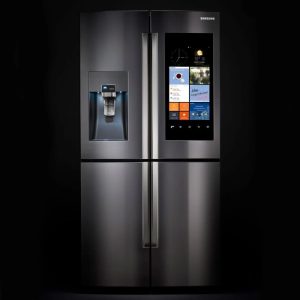
The refrigerator features a sleek, integrated touchscreen display positioned on the front door. The display shows a clear, concise visual representation of the current internal temperature, humidity levels, and a categorized list of items inside, updating in real-time. When a voice command is issued, a visual animation acknowledges the command, and the display updates accordingly to reflect the changes.
A soft, ambient light illuminates the screen, ensuring easy readability even in low-light conditions. If an item is low, a subtle visual cue, such as a change in color next to the item’s name on the inventory list, alerts the user. Error messages or notifications appear clearly on the screen with accompanying audio alerts. The overall design is minimalist and modern, seamlessly integrating with contemporary kitchen aesthetics.
The integration of voice activation into smart appliances represents a significant leap forward in home automation, promising increased convenience and personalized experiences. While challenges remain in areas like security and user experience consistency, the ongoing innovation and expanding market suggest a future where voice control becomes the norm, enhancing our daily routines and simplifying household tasks. The journey towards seamless voice-controlled homes is underway, and the potential benefits are immense.
FAQ
What are the potential security risks of voice-activated smart appliances?
Security risks include unauthorized access to your device and network, potential eavesdropping, and data breaches. Choosing reputable brands with strong security features and keeping your software updated is crucial.
How much do voice-activated smart appliances cost compared to traditional appliances?
Generally, voice-activated smart appliances are more expensive than their traditional counterparts. The price difference varies depending on the brand, features, and type of appliance.
Can voice-activated appliances be used by individuals with disabilities?
Yes, voice activation can significantly improve accessibility for people with disabilities, offering hands-free control and simplified interaction with home appliances.
What happens if my internet connection is down?
Functionality may be limited or unavailable when the internet connection is down. Some basic features might still work offline, depending on the appliance.