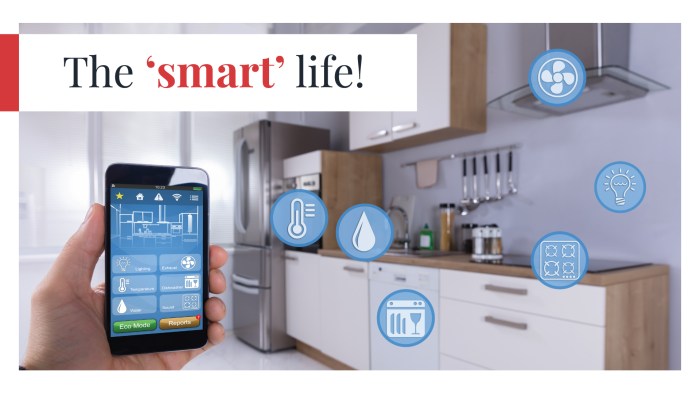
Imagine a home where appliances anticipate your needs, optimizing energy use and streamlining your daily routine. This is the promise of smart appliances, a rapidly evolving sector poised to revolutionize how we live. From voice-activated ovens to self-cleaning refrigerators, the technology is already transforming the domestic landscape, offering unprecedented convenience and efficiency.
This exploration delves into the current state and future trajectory of smart appliances, examining the technological advancements driving their development, their impact on our homes and the environment, and the challenges that lie ahead. We’ll consider everything from the core technologies powering these devices to the ethical considerations surrounding data privacy and sustainability.
Defining Smart Appliances
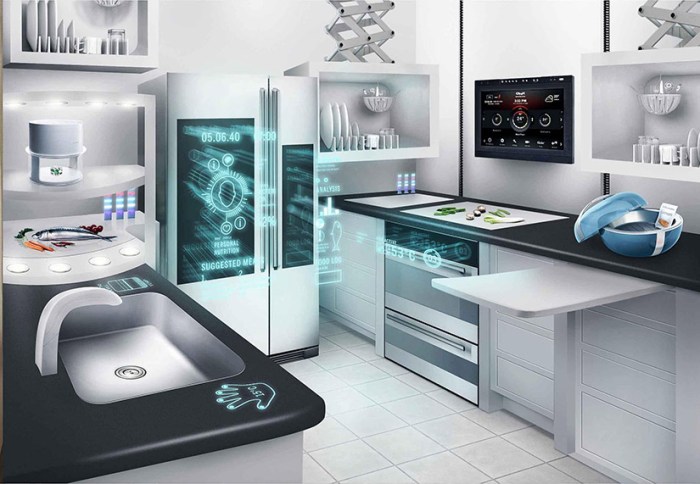
Smart appliances represent a significant advancement in home technology, integrating digital capabilities into traditional household devices. Unlike their predecessors, which operate solely based on mechanical or electromechanical principles, smart appliances leverage internet connectivity and sophisticated software to offer enhanced functionality, convenience, and energy efficiency. This integration fundamentally alters the user experience, transforming mundane tasks into streamlined and often automated processes.Smart appliance functionality relies on a convergence of core technologies.
The Internet of Things (IoT) provides the foundation, allowing appliances to connect to a network and communicate with each other and external systems. Artificial intelligence (AI) algorithms enable features like predictive maintenance, personalized settings, and automated responses to user behavior and environmental conditions. Robust connectivity, typically through Wi-Fi or Bluetooth, ensures seamless communication and remote control.
Types of Smart Appliances
The market offers a diverse range of smart appliances, categorized broadly by their function within the home. Kitchen appliances are a prime example, with smart refrigerators offering inventory management and recipe suggestions, smart ovens enabling remote preheating and precise temperature control, and smart coffee makers allowing for scheduled brewing. Laundry appliances are becoming increasingly sophisticated, featuring smart washing machines and dryers that optimize cycles based on fabric type and soil level, and provide remote monitoring of wash progress.
In the realm of HVAC (Heating, Ventilation, and Air Conditioning), smart thermostats learn user preferences and automatically adjust temperatures to optimize energy consumption and comfort. Other categories include smart lighting systems, offering customizable illumination schemes and energy-saving features, and smart security systems, incorporating cameras, sensors, and remote monitoring capabilities.
Smart Appliance Comparison
The following table compares three different smart appliances across key features, price points, and energy efficiency. Note that prices can vary depending on brand, model, and retailer. Energy efficiency ratings are based on typical usage and may differ based on individual settings and environmental factors.
| Feature | Smart Refrigerator (Model X) | Smart Washing Machine (Model Y) | Smart Thermostat (Model Z) |
|---|---|---|---|
| Price Range | $1500 – $3000 | $1000 – $2000 | $200 – $500 |
| Key Features | Inventory management, recipe suggestions, internal cameras, temperature control | Automated cycle selection, remote monitoring, steam cleaning, allergen removal | Learning algorithm, remote control, geofencing, energy-saving modes |
| Energy Efficiency Rating | Energy Star Certified | Energy Star Certified | Energy Star Certified |
Current Trends in Smart Appliance Technology
The smart appliance market is experiencing rapid growth, driven by advancements in technology and a rising consumer demand for convenience, energy efficiency, and enhanced home management. This evolution is characterized by several key trends that are reshaping the way we interact with our household appliances. These trends are not isolated but rather interconnected, creating a synergistic effect that pushes the boundaries of what’s possible in home automation.The integration of smart features into appliances is no longer a luxury but increasingly becoming a standard expectation.
Consumers are actively seeking out appliances that offer greater control, automation, and insights into their energy consumption. This demand is fueling innovation and competition among manufacturers, leading to a continuous stream of new and improved products.
Voice Control Integration
Voice control is rapidly becoming a ubiquitous feature in smart appliances. Leading manufacturers like Amazon (with Alexa integration) and Google (with Google Assistant integration) have played a significant role in popularizing this technology. Consumers can now use voice commands to control various appliance functions, such as starting a washing machine cycle, adjusting oven temperature, or setting the desired room temperature on a smart thermostat.
This hands-free operation adds a significant layer of convenience to daily routines. For example, a user can simply say “Alexa, start the coffee maker” to begin brewing coffee in the morning without having to physically interact with the machine. This ease of use is a primary driver of its widespread adoption.
Energy Monitoring and Management
Energy efficiency is a key concern for both consumers and the environment. Smart appliances are increasingly equipped with energy monitoring capabilities, providing users with real-time data on their appliance energy consumption. This allows consumers to identify energy-intensive habits and make informed decisions to reduce their overall energy footprint. Many smart appliances also offer features like smart power scheduling, allowing users to automate appliance operation during off-peak hours to minimize energy costs.
For instance, a smart refrigerator can optimize its cooling cycle based on usage patterns, minimizing energy waste while maintaining optimal food preservation.
App Integration and Remote Control
Smart appliance manufacturers are increasingly leveraging mobile app integration to provide users with enhanced control and monitoring capabilities. These apps typically allow users to remotely control their appliances, monitor their status, and receive alerts or notifications. For example, users can remotely preheat their oven while commuting home from work, ensuring a hot meal is ready upon arrival. Furthermore, some apps provide diagnostic information and troubleshooting assistance, enabling users to resolve minor issues without needing professional service.
This remote access and control significantly enhances convenience and user experience.
Leading Manufacturers and Their Contributions
Several leading manufacturers are at the forefront of smart appliance innovation. Samsung, for example, offers a wide range of smart appliances integrated with its SmartThings platform, allowing for seamless connectivity and control across multiple devices. LG also contributes significantly, with its ThinQ technology offering similar functionalities. Whirlpool and GE are also major players, incorporating smart features into their product lines.
These manufacturers are constantly competing to offer the most advanced features and seamless user experiences, driving innovation within the industry.
Innovative Features in Cutting-Edge Smart Appliances
Beyond basic voice control and app integration, cutting-edge smart appliances are incorporating increasingly sophisticated features. Some refrigerators now offer internal cameras allowing users to remotely view their food inventory, preventing unnecessary grocery shopping. Smart ovens with precise temperature control and automated cooking programs are simplifying meal preparation. Washing machines with AI-powered stain detection and automated detergent dispensing are optimizing laundry cycles for better cleaning and efficiency.
These examples showcase the ongoing evolution of smart appliances beyond simple automation, toward more intelligent and personalized experiences.
Key Technological Advancements Driving Growth
The growth of the smart appliance sector is fueled by several key technological advancements:
- Improved Connectivity: The widespread adoption of Wi-Fi and other wireless technologies has made it easier to connect appliances to the internet and control them remotely.
- Advancements in AI and Machine Learning: AI and machine learning algorithms are enabling appliances to learn user preferences, optimize energy consumption, and provide predictive maintenance alerts.
- Development of Robust and Secure Cloud Platforms: Cloud platforms provide the necessary infrastructure for data storage, processing, and remote access to smart appliances, ensuring secure and reliable operation.
- Miniaturization of Sensors and Actuators: Smaller, more energy-efficient sensors and actuators are enabling the integration of smart features into appliances without increasing their size or cost significantly.
- Improved User Interfaces: Intuitive and user-friendly interfaces, both on the appliances themselves and through mobile apps, are crucial for widespread adoption.
The Impact of Smart Appliances on Home Life
Smart appliances are rapidly transforming the way we manage our homes, offering a blend of convenience, efficiency, and environmental responsibility. Their integration into our daily routines is subtly but significantly altering our lifestyles, impacting everything from energy consumption to the overall feel of our living spaces. This section explores the multifaceted influence of smart appliances on modern home life.Smart appliances significantly improve convenience and efficiency in daily household tasks.
Imagine a refrigerator that automatically orders groceries when supplies run low, a washing machine that optimizes its cycle based on fabric type and soil level, or an oven that preheats to the perfect temperature at the designated time. These features not only save time but also reduce the mental load associated with managing household chores, freeing up valuable time for other pursuits.
The automation provided by smart appliances allows for a more streamlined and less stressful daily routine.
Enhanced Convenience and Efficiency in Daily Tasks
Smart appliances streamline household tasks through automation and intelligent features. For example, a smart oven can be pre-programmed to cook a meal at a specific time, eliminating the need for constant monitoring. Similarly, smart washing machines can automatically adjust the wash cycle based on the type of clothing and level of soiling, ensuring optimal cleaning while conserving water and energy.
Robotic vacuum cleaners autonomously clean floors, eliminating the need for manual cleaning. These automated functions translate to significant time savings and reduced effort in managing daily household chores. The convenience factor is further amplified by the ability to control these appliances remotely via smartphone apps, allowing for adjustments and monitoring even when away from home.
Impact on Energy Consumption and Environmental Sustainability
Smart appliances contribute to energy conservation through features like energy-efficient motors, intelligent power management, and optimized usage patterns. For instance, smart thermostats learn user preferences and adjust temperatures accordingly, minimizing energy waste. Smart refrigerators monitor internal temperatures and adjust cooling accordingly, preventing energy overuse. Smart washing machines optimize water and energy usage based on load size and fabric type.
The collective impact of these energy-saving features across multiple appliances can lead to significant reductions in overall household energy consumption, resulting in lower energy bills and a smaller carbon footprint. This aligns with the growing global focus on sustainable living and reducing environmental impact. Studies have shown that households using smart appliances can reduce their energy consumption by an average of 10-15%, depending on the types of appliances and usage patterns.
Integration with Other Smart Home Systems
Smart appliances seamlessly integrate with other smart home systems, creating a holistic and interconnected environment. For example, a smart security system can be linked to smart appliances to trigger alerts in case of unusual activity, while smart lighting systems can be automated to turn on when a smart appliance detects movement. Smart speakers can be used to control various smart appliances via voice commands, providing a hands-free experience.
This integration creates a cohesive and user-friendly smart home ecosystem, enhancing convenience and safety. Furthermore, this integrated approach can lead to even greater energy savings through coordinated control and optimized resource management. A smart home system can analyze energy consumption patterns across all devices and automatically adjust settings to minimize waste.
Scenario: A Fully Integrated Smart Home Environment
Imagine waking up to a smart home that anticipates your needs. The smart coffee maker starts brewing your coffee at your preferred time, while the smart thermostat adjusts the temperature to your liking. As you leave for work, the smart lighting system automatically dims and the smart security system activates. During the day, your smart refrigerator sends you a notification that you are running low on milk and automatically adds it to your online grocery order.
In the evening, the smart oven preheats to the perfect temperature for dinner, while the smart robotic vacuum cleaner silently cleans the floors. Upon returning home, you are greeted by a comfortably lit and clean house, ready for relaxation. This scenario highlights the potential of a fully integrated smart home environment, where convenience, efficiency, and sustainability are seamlessly interwoven.
The smart home learns your habits and anticipates your needs, minimizing effort and maximizing comfort and energy efficiency.
Future Developments and Predictions
The next 5-10 years promise significant advancements in smart appliance technology, driven by converging trends in artificial intelligence, material science, and consumer demand for increased personalization. We can expect appliances that are not only more efficient and connected but also deeply integrated into our daily lives, anticipating our needs and adapting to our preferences in unprecedented ways.
Technological Advancements in Smart Appliances
Over the next decade, several key technological advancements will reshape the smart appliance landscape. We can anticipate significant improvements in processing power, allowing appliances to handle more complex tasks and data analysis. This will enable more sophisticated features like predictive maintenance, where appliances can anticipate potential failures and alert users before problems arise, mirroring the predictive maintenance already employed in some industrial settings.
Furthermore, advancements in sensor technology will lead to more precise and responsive appliances, capable of detecting subtle changes in their environment and adjusting their operation accordingly. For instance, refrigerators could optimize cooling based on the precise amount and type of food stored within, minimizing energy waste and extending food shelf life. Finally, the integration of 5G and other high-bandwidth networks will enable seamless communication between appliances and the cloud, unlocking new possibilities for remote monitoring, control, and data analysis.
Increased Personalization and Customization
The future of smart appliances is deeply intertwined with personalization. We’ll see a move beyond simple on/off controls and pre-programmed settings towards appliances that learn and adapt to individual user preferences. Imagine a coffee maker that automatically adjusts the brewing parameters based on your past selections, or a washing machine that learns your preferred wash cycles and detergent quantities.
This level of personalization will be achieved through advanced machine learning algorithms that analyze user data and identify patterns in usage. This is already happening to a degree with some smart home assistants, but this trend will permeate across a much wider range of appliances. For example, smart ovens could learn your preferred cooking styles and suggest recipes based on the ingredients you have available, much like some existing recipe apps already do, but directly integrated into the appliance itself.
The Evolving Role of Artificial Intelligence and Machine Learning
Artificial intelligence (AI) and machine learning (ML) will be the driving forces behind many of these advancements. AI will enable appliances to perform more complex tasks autonomously, such as optimizing energy consumption, scheduling maintenance, and even diagnosing minor problems. ML algorithms will allow appliances to learn from user behavior and adapt their functionality accordingly, providing a more personalized and intuitive user experience.
For example, a smart thermostat could learn your daily routine and adjust the temperature accordingly, minimizing energy waste and maximizing comfort. This will go beyond simple temperature adjustments, and could include factors such as humidity and even air quality. This type of predictive functionality already exists in some smart home systems but will become more sophisticated and integrated into the appliances themselves.
Advancements in Material Science and Appliance Design
Advancements in material science will play a crucial role in shaping the design and functionality of future smart appliances. The development of new, more durable and energy-efficient materials will allow for the creation of lighter, more compact, and longer-lasting appliances. For example, the use of self-healing materials could extend the lifespan of appliances by automatically repairing minor damage, reducing the need for replacements and minimizing waste.
Furthermore, the integration of advanced materials with embedded sensors could lead to appliances that are more responsive and capable of providing real-time feedback on their performance. Imagine a refrigerator with sensors embedded in its walls that can detect and alert you to any potential leaks or temperature fluctuations, preventing spoilage and potential damage. This mirrors the current use of sensors in some industrial settings for monitoring equipment integrity.
Challenges and Concerns
The widespread adoption of smart appliances, while promising increased convenience and efficiency, presents a range of challenges and concerns that warrant careful consideration. These issues span data privacy and security, economic accessibility, societal dependence, and environmental impact, all of which need to be addressed proactively to ensure the responsible and sustainable integration of this technology into our lives.
Data Privacy and Security Risks
Smart appliances, by their very nature, collect and transmit significant amounts of data about our homes and habits. This data, ranging from energy consumption patterns to appliance usage schedules and even potentially sensitive information like voice recordings, is vulnerable to breaches and misuse. Lack of robust security measures can expose this data to hackers, potentially leading to identity theft, financial loss, or even physical harm.
For instance, a compromised smart refrigerator could provide access to personal information stored within its connected systems, or a vulnerable smart thermostat could be manipulated to control home heating and cooling systems remotely. Furthermore, the lack of clear and transparent data usage policies by manufacturers raises concerns about how this data is collected, stored, and potentially shared with third parties.
Cost and Accessibility Issues
The initial purchase price of smart appliances is often significantly higher than that of their non-smart counterparts. This creates a significant barrier to entry for many consumers, particularly those with limited disposable income. The ongoing costs associated with maintaining internet connectivity, subscribing to cloud services, and replacing potentially short-lived components further exacerbate this affordability issue. This digital divide, if not addressed, could exacerbate existing inequalities, creating a two-tiered system where only affluent households can benefit from the conveniences and efficiencies of smart home technology.
For example, a smart washing machine might cost several hundred dollars more than a comparable standard model, while requiring a consistent internet connection for its smart features.
Technological Dependence and Societal Implications
The increasing reliance on smart appliances can lead to a concerning level of technological dependence. Malfunctions or outages can disrupt daily routines and create significant inconveniences. Moreover, an over-reliance on these devices can diminish essential practical skills and knowledge, potentially impacting our ability to cope with unforeseen circumstances or technological failures. The societal implications extend to issues of job displacement as automation increases, and potential for increased social isolation if human interaction is replaced by reliance on smart devices for tasks that were previously social.
The example of relying on a smart oven with automatic shut-off could potentially lead to a lack of understanding of oven operation in the event of a power outage.
Environmental Impact and E-waste
The manufacturing, use, and disposal of smart appliances contribute to environmental concerns. The production process requires significant energy and resources, and the shorter lifespan of some smart appliances compared to their traditional counterparts leads to increased e-waste. This e-waste contains hazardous materials that can contaminate soil and water if not disposed of properly. The energy consumption of smart appliances, while potentially optimized in some cases, can still be significant, adding to overall energy demand.
The rapid pace of technological advancements also contributes to planned obsolescence, shortening the lifespan of devices and accelerating the generation of e-waste. For example, a smart refrigerator’s energy-efficient features might be offset by the energy required to power its connected components and maintain its internet connection. The eventual disposal of the appliance adds to the growing problem of electronic waste in landfills.
The future of smart appliances is bright, promising a more convenient, efficient, and sustainable home environment. While challenges related to data security, accessibility, and environmental impact remain, the ongoing innovations in artificial intelligence, connectivity, and material science suggest a future where our homes are seamlessly integrated, responsive ecosystems tailored to our individual needs. The journey towards this connected home is underway, and its implications are far-reaching and transformative.
Essential FAQs
What are the security risks associated with smart appliances?
Smart appliances, like any connected device, are vulnerable to hacking. Risks include unauthorized access to your network, data breaches, and even device control manipulation. Choosing reputable brands and strong passwords is crucial.
How much do smart appliances cost compared to traditional appliances?
Smart appliances generally command a higher price tag than their traditional counterparts. The cost difference varies depending on the appliance type and features, but the premium reflects the added technology and connectivity.
Can I use smart appliances without a strong internet connection?
Most smart appliances require a reliable internet connection for full functionality. However, some offer basic operation offline, while others may rely on local network connections (e.g., Bluetooth) for certain features.
What happens to smart appliances when they break down?
Repair and replacement options vary depending on the manufacturer and the appliance. Warranty coverage is important to consider. Some manufacturers offer remote diagnostics and troubleshooting capabilities.