The culinary landscape is evolving, and smart ovens and cooktops are leading the charge. These innovative appliances seamlessly blend technology with traditional cooking, offering a level of convenience and control previously unimaginable. From pre-programmed recipes to remote monitoring, smart ovens and cooktops are transforming the way we prepare and enjoy our meals. This exploration delves into their capabilities, benefits, and considerations for those seeking a technologically advanced kitchen experience.
Beyond basic functionality, these appliances integrate seamlessly with smart home ecosystems, allowing for centralized control and automation. Imagine preheating your oven remotely while still at work, or receiving notifications when your dish is perfectly cooked. This level of control and efficiency is reshaping the modern kitchen, making cooking more accessible and enjoyable for everyone.
Smart Appliances
The smart kitchen revolution extends far beyond ovens and cooktops. A growing array of appliances are integrating smart technology, offering convenience, efficiency, and enhanced control over various household tasks. This expansion into a broader smart home ecosystem significantly impacts how we interact with our kitchens and manage household resources.Smart appliances offer a range of benefits and drawbacks when integrated into a home.
Understanding these aspects is crucial for making informed decisions about adopting smart technology in the kitchen.
Types of Smart Appliances
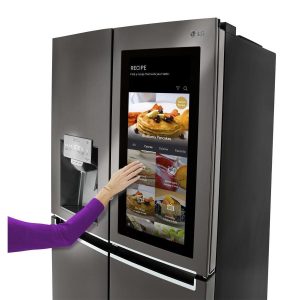
Smart technology is rapidly permeating various kitchen appliances. Beyond ovens and cooktops, refrigerators equipped with touchscreens, internal cameras, and inventory management systems are increasingly common. These smart refrigerators can create shopping lists based on food nearing expiration, alert users to potential spoilage, and even suggest recipes based on available ingredients. Similarly, smart dishwashers offer remote start/stop capabilities, optimized wash cycles based on load size and soil level, and often feature leak detection systems for enhanced safety.
Other examples include smart microwaves with pre-programmed settings and voice control, and smart coffee makers that allow users to schedule brewing times remotely. The range of available smart appliances continues to grow, encompassing virtually every aspect of kitchen functionality.
Benefits and Drawbacks of Multiple Smart Appliances
Integrating multiple smart appliances offers numerous benefits, including centralized control through a single app or smart home hub, improved efficiency through coordinated operation (e.g., oven preheating timed with the completion of food preparation), and enhanced convenience via remote monitoring and control. However, drawbacks exist. The initial investment cost can be significant, and reliance on internet connectivity introduces potential vulnerabilities to system failures or cyberattacks.
Moreover, managing multiple smart appliance apps can become cumbersome, and interoperability issues between different brands can create integration challenges. The potential for data privacy concerns also needs careful consideration.
Impact on Energy Consumption and Efficiency
Smart home technology offers significant potential for reducing energy consumption in the kitchen. Features like smart power management, optimized cooking cycles, and precise temperature control in ovens and cooktops minimize energy waste. Smart refrigerators with advanced insulation and efficient cooling systems contribute to reduced energy usage. Data analysis from smart appliances can also provide valuable insights into energy consumption patterns, allowing users to identify areas for improvement and adopt more energy-efficient habits.
For example, a smart refrigerator might identify that the door is frequently left open, providing a prompt to the user to change their behavior and reduce energy waste. The cumulative effect of incorporating several energy-efficient smart appliances can result in substantial savings on utility bills and a smaller carbon footprint.
Safety and Security Considerations
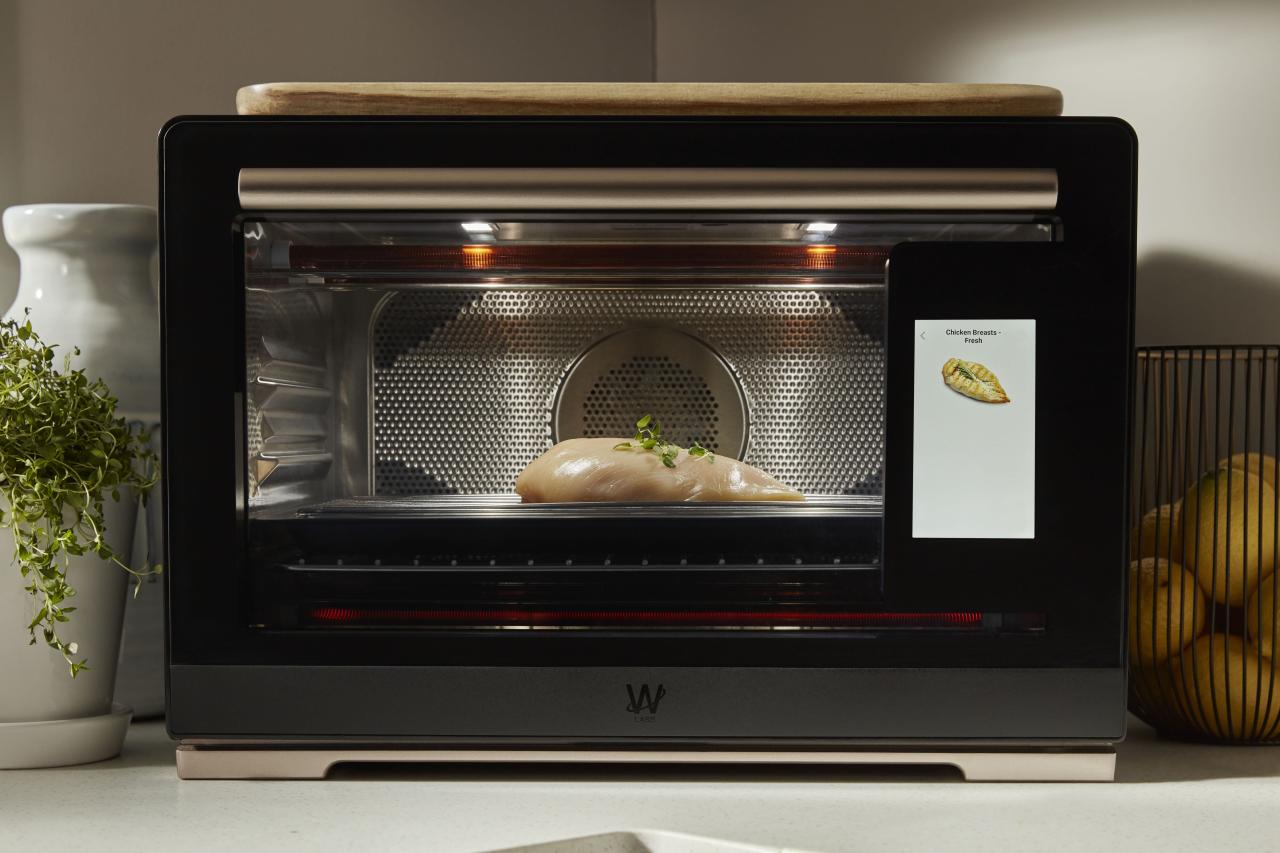
Smart ovens and cooktops, while offering convenience and advanced features, introduce new safety and security considerations that users should be aware of. Understanding these potential risks and the measures in place to mitigate them is crucial for safe and responsible appliance usage. This section details potential hazards, manufacturer safeguards, and user best practices.
The integration of technology into kitchen appliances brings both benefits and potential drawbacks. While smart features enhance cooking experiences, they also create avenues for potential hazards, ranging from fire risks to data breaches. Manufacturers are actively working to address these concerns through robust security protocols and design features. However, user awareness and responsible usage remain key to minimizing risks.
Fire Hazards Associated with Smart Ovens and Cooktops
Smart ovens and cooktops, like their traditional counterparts, present a risk of fire if not used properly. Potential fire hazards include malfunctioning heating elements, overheating due to incorrect settings or sensor failures, and accidental ignition from flammable materials left near the appliances. Manufacturers incorporate various safety features to reduce these risks, such as automatic shutoff mechanisms, temperature sensors, and overheat protection systems.
However, users should always exercise caution and follow manufacturer instructions carefully. For example, never leave cooking unattended, ensure adequate ventilation, and keep flammable materials away from the appliance.
Data Security and Privacy Concerns
Smart appliances collect data on usage patterns, cooking preferences, and potentially even user location. This data, if compromised, could lead to privacy violations or even identity theft. Manufacturers employ various security measures to protect user data, including encryption of data transmitted between the appliance and the cloud, secure authentication protocols to prevent unauthorized access, and regular software updates to patch security vulnerabilities.
However, users should also take proactive steps to enhance their security, such as using strong and unique passwords, keeping the appliance’s software updated, and being cautious about connecting the appliance to unsecured Wi-Fi networks.
Recommendations for Safe and Secure Operation
To ensure safe and secure operation of smart ovens and cooktops, users should follow several key recommendations. Regularly update the appliance’s software to benefit from the latest security patches. Change the default password to a strong, unique password. Avoid connecting the appliance to public or unsecured Wi-Fi networks. Be mindful of the data the appliance collects and review the manufacturer’s privacy policy.
Finally, always follow the manufacturer’s instructions for use and maintenance, paying close attention to safety warnings and guidelines. By following these simple steps, users can significantly reduce the risks associated with smart ovens and cooktops and enjoy the benefits of these convenient appliances safely and securely.
The Future of Smart Ovens and Cooktops
The smart appliance market is experiencing rapid growth, driven by advancements in technology and a growing consumer demand for convenience and efficiency. Smart ovens and cooktops are at the forefront of this revolution, constantly evolving to offer enhanced functionality, improved user experience, and seamless integration with other smart home devices. The next 5-10 years promise even more significant advancements, transforming the way we cook and interact with our kitchens.Smart ovens and cooktops are poised for substantial advancements in functionality and user experience.
These improvements will be fueled by technological innovations and evolving consumer preferences for connected and personalized appliances.
Advanced Connectivity and Integration
The future of smart ovens and cooktops will be defined by increasingly sophisticated connectivity and seamless integration with other smart home devices. We can anticipate more robust and reliable Wi-Fi and Bluetooth capabilities, allowing for effortless remote control and monitoring. Imagine a scenario where your smart oven automatically adjusts cooking times based on real-time data from your smart refrigerator, tracking ingredient freshness and providing optimized cooking parameters.
Further integration with voice assistants like Alexa or Google Assistant will allow for hands-free operation, streamlining the cooking process even further. This level of interconnectivity will significantly enhance convenience and efficiency in the kitchen.
AI-Powered Cooking Assistance
Artificial intelligence (AI) will play a crucial role in shaping the future of smart ovens and cooktops. AI-powered features will offer personalized cooking recommendations based on user preferences, dietary restrictions, and available ingredients. Imagine an oven that automatically suggests recipes based on the ingredients you have in your refrigerator, or a cooktop that adjusts heat levels in real-time to ensure perfect cooking results.
Advanced image recognition technology could allow the oven to identify food items placed inside and automatically select the optimal cooking settings. These AI-driven functionalities will significantly enhance the user experience and reduce the likelihood of cooking errors. For example, a smart oven might learn that you prefer your steak cooked medium-rare and automatically adjust the temperature and time accordingly each time you cook one.
Enhanced Precision and Control
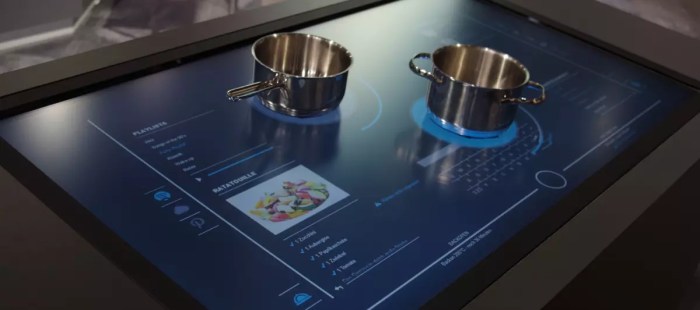
Future smart ovens and cooktops will provide unparalleled precision and control over the cooking process. This will be achieved through advancements in sensor technology, allowing for more accurate temperature monitoring and adjustments. Imagine a cooktop with embedded sensors that precisely measure the temperature of the pan, preventing overheating and ensuring consistent cooking results. Smart ovens might incorporate advanced steam injection technology for improved moisture control, leading to perfectly cooked dishes every time.
This increased precision will allow for more consistent and predictable results, catering to even the most discerning home cooks. Companies are already incorporating more precise temperature sensors in their models, and we can expect this trend to accelerate.
Improved Energy Efficiency and Sustainability
Sustainability is becoming increasingly important to consumers, and smart ovens and cooktops will play a role in reducing energy consumption in the kitchen. Advanced algorithms will optimize energy usage based on cooking parameters and user preferences, reducing wasted energy and lowering utility bills. Smart ovens might incorporate features like automatic shutoff and intelligent preheating to minimize energy waste.
This focus on sustainability will not only benefit consumers but also contribute to a greener future. For example, a smart oven could learn your typical cooking patterns and preheat only when necessary, saving energy compared to traditional ovens that are left on unnecessarily.
Smart ovens and cooktops represent a significant leap forward in kitchen technology, offering unparalleled convenience, efficiency, and control. While safety and security considerations are important, the benefits of enhanced cooking experiences and seamless smart home integration far outweigh the potential drawbacks. As technology continues to advance, we can anticipate even more innovative features and functionalities, further revolutionizing the way we cook and interact with our kitchens.
FAQ Overview
What is the average lifespan of a smart oven or cooktop?
The lifespan varies depending on brand and usage, but generally, you can expect 10-15 years of reliable service with proper maintenance.
Are smart ovens and cooktops difficult to use?
Most models feature intuitive interfaces, either touchscreen or app-based, making them relatively easy to learn and use. However, a learning curve might exist for those unfamiliar with smart home technology.
How much more expensive are smart ovens and cooktops compared to traditional models?
Smart appliances typically command a higher price point than their traditional counterparts, but the price difference varies significantly depending on brand, features, and model.
Do I need a strong internet connection for smart ovens and cooktops to function properly?
A stable Wi-Fi connection is essential for full functionality, especially for features like remote control and app integration. However, some basic functions might still work offline.