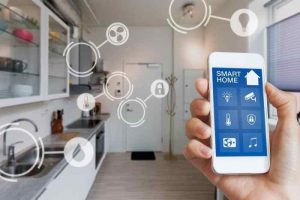
The rise of Wi-Fi-enabled appliances has revolutionized the way we interact with our homes. No longer are household devices isolated islands of functionality; they are now interconnected nodes within a larger, smarter ecosystem. This exploration delves into the world of connected appliances, examining their benefits, drawbacks, security implications, and the exciting future they promise.
From refrigerators that track inventory to ovens that preheat remotely, the possibilities are vast. This guide will provide a clear understanding of what Wi-Fi-enabled appliances are, how they work, and the considerations involved in integrating them into your daily life. We’ll explore the advantages and disadvantages, address common security concerns, and offer a glimpse into the innovations on the horizon.
Smart Appliances
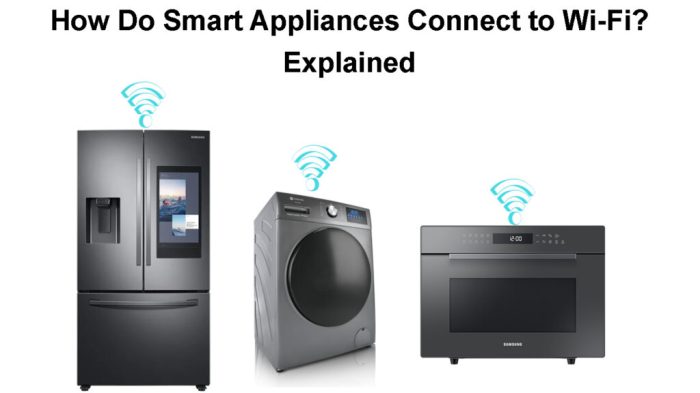
Smart appliances represent a significant advancement in home technology, going beyond the simple addition of Wi-Fi connectivity. While Wi-Fi-enabled appliances can connect to a network, smart appliances leverage this connection to offer advanced functionalities, often integrating with other smart home devices and systems for enhanced control and automation. This integration allows for a more seamless and responsive home environment.Smart appliances utilize embedded software and internet connectivity to offer features that traditional appliances lack.
This allows for remote control, automated functions, and data collection for improved efficiency and user experience. The core difference lies in their ability to learn user preferences, adapt to changing conditions, and interact with other smart devices within a home ecosystem.
Smart Appliance Examples and Unique Functionalities
The following examples highlight the capabilities that distinguish smart appliances from their non-smart counterparts. These features extend far beyond basic remote on/off control.
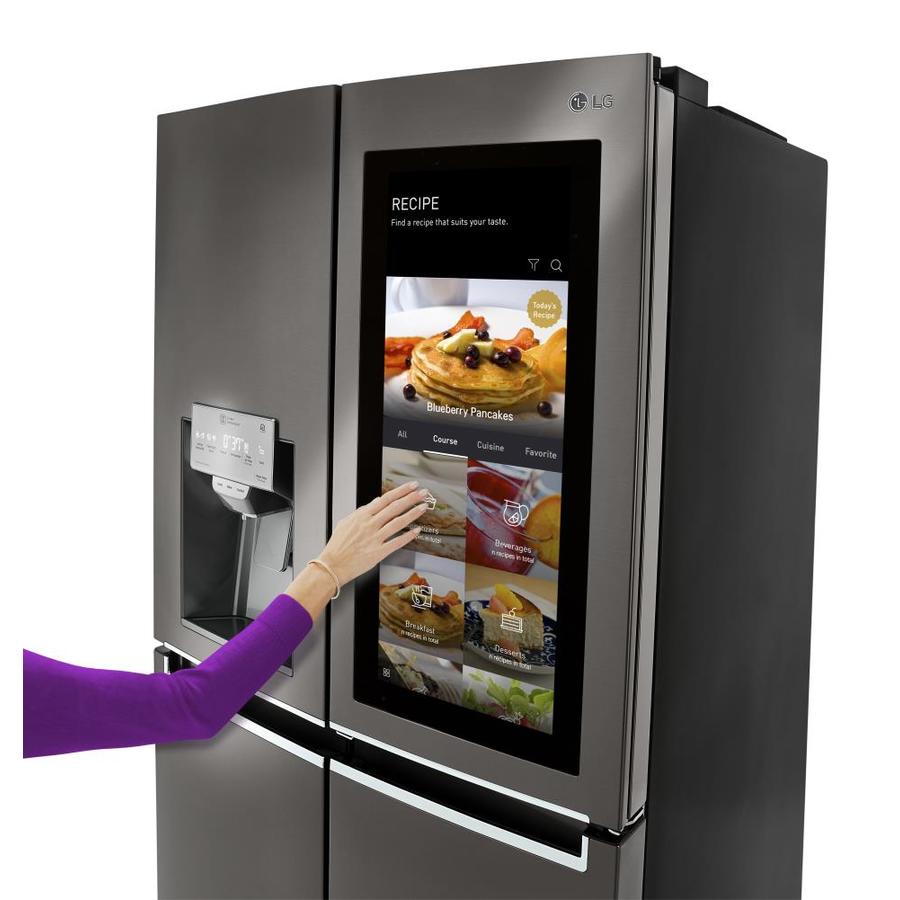
- Smart Refrigerators: These appliances often include features like internal cameras allowing you to check food inventory remotely, automated shopping list creation based on low stock, and temperature monitoring to ensure optimal food preservation. Some models even offer recipe suggestions based on available ingredients.
- Smart Washing Machines: Smart washing machines can be remotely started and stopped, offering cycle customization based on fabric type and soil level. They can also provide diagnostic information if malfunctions occur, minimizing downtime and maintenance costs. Some models even learn your preferred wash settings over time.
- Smart Ovens: Smart ovens often allow for preheating from a mobile app, remote temperature adjustments, and guided cooking instructions. Some models can even recognize the type of food being cooked and automatically adjust settings for optimal results. This functionality can help prevent overcooking or undercooking.
- Smart Thermostats: These are perhaps the most well-known examples of smart home technology. Smart thermostats learn user preferences and automatically adjust temperatures to optimize energy efficiency and comfort. They can also be controlled remotely, allowing you to adjust the temperature before arriving home.
- Smart Vacuum Cleaners (Robots): These automated cleaning devices can be scheduled to clean at specific times, navigate around obstacles autonomously, and even return to their charging station when their battery is low. They often integrate with other smart home devices for seamless operation within a larger ecosystem.
Smart Appliance Integration within a Smart Home Ecosystem
The true potential of smart appliances is realized when they are integrated into a broader smart home ecosystem. This integration allows for seamless communication and coordination between different devices, leading to improved automation and convenience. For example, a smart oven could communicate with a smart refrigerator to suggest recipes based on available ingredients, while a smart thermostat could adjust the temperature based on the occupancy detected by smart sensors.
This interconnectedness enhances the user experience and streamlines household management. Many smart home platforms, such as Amazon Alexa, Google Home, and Apple HomeKit, provide the infrastructure for this type of integration, allowing users to control multiple smart appliances through a single app or voice command. This interconnectedness creates a more efficient and responsive home environment.
Security and Privacy Concerns
The increasing integration of Wi-Fi and smart technology into household appliances presents both convenience and significant security and privacy challenges. These connected devices, while offering enhanced functionality, create new avenues for unauthorized access, data breaches, and potential misuse of personal information. Understanding these risks and implementing appropriate safeguards is crucial for protecting your home network and personal data.
Potential Security Vulnerabilities in Wi-Fi-Enabled Appliances
Smart appliances, by their very nature, require a connection to the internet or a local network. This connectivity, while enabling remote control and automated functions, introduces several security vulnerabilities. These vulnerabilities can range from relatively minor inconveniences to severe threats involving data theft, identity fraud, and even physical home security breaches. For example, a compromised smart refrigerator could potentially be used to access your home network, while a vulnerable smart lock could allow unauthorized entry.
Mitigation Strategies for Security Risks
The following table Artikels common security risks associated with smart appliances and effective mitigation strategies users can employ.
| Security Risk | Mitigation Strategy |
|---|---|
| Weak or default passwords | Change default passwords to strong, unique passwords for each device. Utilize a password manager to securely store and manage these credentials. |
| Unpatched software vulnerabilities | Regularly update the firmware of your smart appliances. Enable automatic updates whenever possible to ensure you benefit from the latest security patches. |
| Unsecured Wi-Fi networks | Use a strong, unique password for your Wi-Fi network and enable WPA2/WPA3 encryption. Consider using a separate guest network for visitors to isolate them from your main network. |
| Malware infections | Install and maintain robust antivirus and anti-malware software on all devices connected to your network, including your router. Be cautious about downloading applications from untrusted sources. |
| Phishing attacks | Be wary of suspicious emails, messages, or websites that may attempt to steal your login credentials or personal information. Never click on links from unknown senders. |
| Data breaches through unsecured communication | Prefer appliances and services that use encrypted communication protocols (like HTTPS) to protect data transmitted between the device and the cloud or other services. |
Privacy Implications of Data Collected by Smart Appliances
Smart appliances often collect a considerable amount of data about their usage and the environment in which they operate. This data can include energy consumption, appliance settings, usage patterns, and even potentially sensitive information like location data if the appliance uses GPS or location services. The collection and use of this data raise significant privacy concerns, especially if it is not handled responsibly or securely.
For example, data about your daily routines or the times you are home could be misused if the appliance’s security is compromised or if the data is shared without your consent.
Importance of User Consent and Data Control
Users should have complete transparency and control over the data collected by their smart appliances. Manufacturers should clearly articulate what data is being collected, how it is being used, and with whom it is being shared. Users should have the option to opt out of data collection or to control the extent to which their data is shared.
Robust data protection regulations and industry best practices are crucial to ensure user privacy and prevent misuse of sensitive information. The right to access, correct, and delete personal data should be readily available to users.
The Future of Wi-Fi-Enabled Appliances
The rapid integration of Wi-Fi into household appliances has ushered in an era of unprecedented convenience and control. However, this is just the beginning. The next 5-10 years promise a dramatic evolution in smart home technology, driven by advancements in artificial intelligence, machine learning, and improved connectivity. We can expect appliances that are not only smarter but also more intuitive, energy-efficient, and seamlessly integrated into our daily lives.The evolution of Wi-Fi-enabled appliances will be characterized by increased sophistication and personalization.
Imagine a future where your refrigerator not only tracks inventory but also proactively orders groceries based on your consumption patterns and dietary preferences, even adjusting its internal temperature to optimize food preservation based on the specific items stored. This level of personalization will extend to other appliances, creating a truly customized and responsive smart home environment.
Technological Advancements and Innovations
Several key technological advancements will fuel this transformation. The widespread adoption of 5G and 6G networks will dramatically improve the speed and reliability of data transfer, allowing for real-time control and monitoring of appliances with minimal latency. Advancements in AI and machine learning will enable appliances to learn user preferences and adapt their operation accordingly, optimizing energy consumption and improving overall performance.
For instance, a smart washing machine could learn your preferred wash cycles and automatically adjust settings based on the type and amount of laundry. The integration of advanced sensors and actuators will further enhance the capabilities of smart appliances, allowing for more precise control and monitoring of various parameters. For example, a smart oven could use sensors to monitor the internal temperature and moisture levels of food, adjusting the cooking time and temperature automatically to ensure optimal results.
Improved voice control and natural language processing will also play a crucial role, making it easier to interact with and control smart appliances. Consider a scenario where you simply tell your smart coffee maker to brew a specific type of coffee at a certain time, without needing to interact with a mobile app or physical controls.
Impact on Energy Consumption, User Experience, and Lifestyle
These technological advancements are expected to significantly impact energy consumption, user experience, and overall lifestyle. Improved energy efficiency algorithms, powered by AI, will allow appliances to optimize their energy usage based on real-time data and user behavior. This could lead to substantial reductions in household energy consumption and lower utility bills. The enhanced user experience will be characterized by increased convenience, personalization, and control.
Smart appliances will seamlessly integrate into daily routines, automating tasks and reducing the need for manual intervention. This will free up time and allow individuals to focus on other activities. The overall impact on lifestyle could be transformative, creating a more comfortable, efficient, and connected living environment. For example, a smart thermostat learning your preferences and adjusting the temperature accordingly, could lead to significant energy savings, while a smart lighting system could create a more relaxing and personalized atmosphere.
The cumulative effect of these improvements could lead to a more sustainable and enjoyable lifestyle.
User Experience and Interface Design
The user interface (UI) is paramount to the success of any Wi-Fi-enabled appliance. A poorly designed interface can lead to frustration, abandonment, and ultimately, a negative perception of smart home technology as a whole. Conversely, a well-designed interface fosters seamless integration and enhances the overall user experience, encouraging wider adoption. The ideal UI should prioritize ease of use, intuitiveness, and accessibility across a range of user demographics and technical proficiency levels.A successful UI for a smart appliance requires careful consideration of several key factors.
It needs to be intuitive enough for users to understand and control the appliance’s functions without extensive training, yet comprehensive enough to provide access to all features and settings. Accessibility is also crucial, catering to users with diverse needs and abilities, such as those with visual or motor impairments. The design should prioritize clear visual communication, intuitive controls, and simple navigation.
Examples of Well-Designed Interfaces for Smart Appliances
Effective UI design for smart appliances often employs principles of simplicity, clarity, and visual hierarchy. The following examples illustrate how these principles can be applied in practice.
- Smart Thermostat (e.g., Nest Learning Thermostat): This thermostat’s interface uses a simple, circular display to showcase the current temperature and target temperature. The user interface is minimalist, focusing on core functions with clear visual cues. The color-coded rings provide at-a-glance feedback on the system’s status and settings. The large, easily adjustable dial simplifies temperature control, making it accessible to users of all ages and abilities.
The intuitive menu system, accessed through a single button, allows for more advanced settings adjustments.
- Smart Speaker (e.g., Amazon Echo): The Echo’s UI is primarily voice-based, prioritizing ease of use and accessibility. Users interact through voice commands, eliminating the need for complex visual interfaces. The visual feedback is minimal, limited to a light ring that indicates the device’s status. The simplicity of the voice-based interaction reduces the barrier to entry for users who may be less comfortable with traditional interfaces.
This design prioritizes simplicity and natural interaction over visual complexity.
- Smart Refrigerator (e.g., Samsung Family Hub): The Family Hub’s interface leverages a large touchscreen display, integrating a calendar, memo board, and even streaming services alongside appliance controls. However, it maintains a clean and uncluttered layout, preventing information overload. The organization of information into clear sections and the use of large, easily tappable icons ensures usability. The interface uses a combination of visual and textual cues to communicate information effectively.
The Role of User Experience Design in Enhancing Smart Home Adoption
Well-designed user interfaces significantly impact the overall appeal and adoption of smart home technology. A positive user experience fosters loyalty and encourages users to explore and utilize the full range of features offered by smart appliances. This, in turn, drives wider adoption and acceptance of smart home technology. For example, the success of the Nest Learning Thermostat can be partly attributed to its intuitive and user-friendly interface, which made it appealing to a broader audience beyond early adopters.
Conversely, complex or frustrating interfaces can lead to user abandonment and hinder the growth of the smart home market. A focus on user experience is therefore critical for the long-term success of this technology.
Cost and Market Analysis (Illustrative)
Understanding the cost structure and market dynamics of Wi-Fi-enabled appliances is crucial for manufacturers, investors, and consumers alike. This analysis provides a hypothetical illustration of the cost involved in producing such appliances and explores the factors that influence their pricing and market growth.
The following table presents a simplified cost breakdown for a hypothetical smart refrigerator. It’s important to note that actual costs can vary significantly based on factors such as component sourcing, manufacturing location, and economies of scale.
Hypothetical Cost Structure of a Smart Refrigerator
| Component | Cost per Unit ($) | Quantity | Total Cost ($) |
|---|---|---|---|
| Refrigeration System | 300 | 1 | 300 |
| Wi-Fi Module | 25 | 1 | 25 |
| Control Board & Sensors | 75 | 1 | 75 |
| Housing & Materials | 150 | 1 | 150 |
| Labor & Assembly | 50 | 1 | 50 |
| Software & Development | 100 | 1 | 100 |
| Packaging & Shipping | 20 | 1 | 20 |
| Total | 720 |
This hypothetical example demonstrates that the cost of the Wi-Fi module itself represents a relatively small portion of the overall cost. The majority of the expense comes from the core appliance functionality and manufacturing processes.
Factors Influencing Smart Appliance Pricing
Several key factors influence the final price of smart appliances in the current market. These factors interact in complex ways, shaping the overall cost to the consumer.
- Manufacturing Costs: This includes raw materials, labor, and factory overhead. Variations in these costs significantly impact the final price.
- Research and Development (R&D): The cost of developing smart features, including software, hardware, and connectivity, can be substantial, especially for innovative technologies.
- Branding and Marketing: Established brands often command higher prices due to consumer perception and marketing efforts.
- Distribution and Retail Markups: The costs associated with getting the product to the consumer, including wholesale and retail markups, add to the final price.
- Competition: The level of competition in the market influences pricing strategies. High competition can lead to lower prices.
- Consumer Demand and Willingness to Pay: Ultimately, consumer demand and their perceived value of smart features dictate the price point that the market will bear.
Potential Market Growth and Trends
The market for Wi-Fi-enabled appliances is experiencing significant growth, driven by increasing consumer adoption of smart home technologies and the Internet of Things (IoT). Several trends are shaping this growth.
- Increased Connectivity: The expansion of high-speed internet access globally is a key driver, making it easier and more affordable to connect appliances.
- Integration with Smart Home Ecosystems: The ability to integrate appliances with other smart home devices, such as voice assistants and home automation systems, is a major selling point.
- Improved User Experience: Advances in user interface design and app development are making smart appliances easier and more intuitive to use.
- Energy Efficiency and Sustainability: Smart appliances often offer energy-saving features, appealing to environmentally conscious consumers.
- Data-Driven Insights and Personalization: The ability to collect and analyze usage data allows for personalized settings and potential cost savings.
For example, the global smart home market is projected to reach hundreds of billions of dollars in the coming years, indicating significant growth potential for Wi-Fi-enabled appliances within this broader market. Companies like Amazon, Google, and Samsung are heavily investing in this space, further fueling market expansion.
In conclusion, Wi-Fi-enabled appliances represent a significant advancement in home technology, offering unprecedented convenience and control. While security and privacy concerns require careful consideration and proactive mitigation, the benefits of increased efficiency, remote management, and integration within a smart home ecosystem are undeniable. As technology continues to evolve, the future of Wi-Fi-enabled appliances promises even greater integration, personalization, and ease of use, transforming the way we live and interact with our homes.
Clarifying Questions
What is the average lifespan of a Wi-Fi-enabled appliance?
The lifespan varies greatly depending on the appliance type and brand, but generally, you can expect a similar lifespan to non-Wi-Fi enabled counterparts. However, software updates and potential obsolescence of the Wi-Fi module are additional factors to consider.
How much does it cost to install Wi-Fi in an existing appliance?
Retrofitting an existing appliance with Wi-Fi is generally not feasible. The cost would be prohibitive and would likely require significant modification or replacement of internal components.
Can I control my Wi-Fi-enabled appliances from anywhere in the world?
Yes, provided you have a stable internet connection at both your location and the location of the appliances. However, response times may vary depending on network conditions.
Are all smart appliances Wi-Fi enabled?
Most smart appliances are Wi-Fi enabled, but some may utilize other communication protocols like Zigbee or Z-Wave for local network communication.