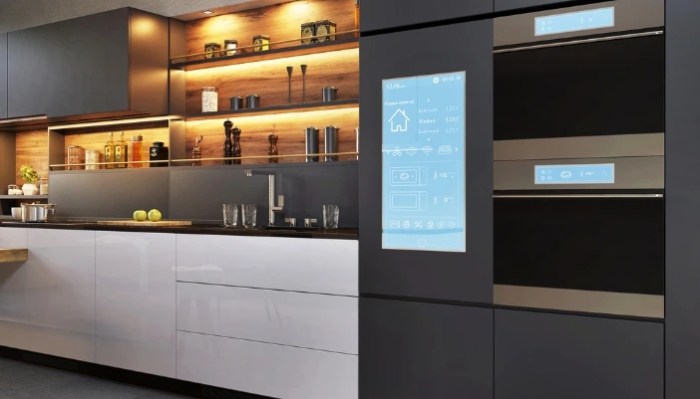
The kitchen, once a domain of purely functional appliances, is undergoing a technological revolution. The rise of smart appliances offers a compelling contrast to their traditional counterparts. This comparison delves into the key differences, exploring cost, energy efficiency, features, and user experience to help you determine which type best suits your needs and lifestyle.
This analysis examines the advantages and disadvantages of both smart and traditional appliances across various categories, including refrigerators, washing machines, and ovens. We’ll consider not only the initial purchase price but also the long-term costs, energy consumption, and environmental impact. Ultimately, the goal is to equip you with the information necessary to make an informed decision about integrating smart technology into your home.
Defining Smart and Traditional Appliances
Smart appliances and traditional appliances represent two distinct approaches to home technology, differing significantly in functionality and user experience. Understanding their core differences is crucial for making informed purchasing decisions. This section will define each category and compare a key appliance – the refrigerator – to illustrate these distinctions.
Smart appliances integrate technology to enhance convenience and efficiency. Key features include internet connectivity, allowing remote control and monitoring, and automation, enabling features like self-cleaning cycles and optimized energy usage based on usage patterns. They often incorporate sensors and software to provide data and insights, improving user experience and potentially reducing operational costs.
Traditional appliances, conversely, lack these smart features. They rely entirely on manual operation, with users directly controlling all functions through physical buttons and dials. While generally simpler to use and maintain, they lack the advanced capabilities and data-driven optimization offered by their smart counterparts.
Smart Refrigerator versus Traditional Refrigerator
A comparison of smart and traditional refrigerators effectively highlights the advantages and disadvantages of each type. The following table summarizes key differences in functionality:
| Feature | Smart Refrigerator | Traditional Refrigerator | Comparison |
|---|---|---|---|
| Energy Efficiency | Often incorporates energy-saving features like smart sensors to optimize cooling based on usage and ambient temperature. Some models offer energy usage reports. | Relies on basic thermostat settings; energy efficiency depends on the model’s design and insulation. | Smart refrigerators often boast better energy efficiency due to intelligent control and monitoring. |
| Temperature Control | Allows precise temperature control via a mobile app, often with multiple temperature zones and customizable settings. | Typically offers only basic temperature adjustments via manual dials or buttons. | Smart refrigerators offer greater precision and flexibility in temperature control. |
| Inventory Management | Many models include internal cameras and software to track food inventory, suggesting recipes and alerting users to expiring items. | Relies entirely on visual inspection by the user. | Smart refrigerators significantly enhance inventory management, reducing food waste and improving meal planning. |
| Cost | Generally more expensive than comparable traditional models due to the integrated technology. | Typically less expensive upfront, but may incur higher long-term energy costs depending on efficiency. | The higher initial cost of a smart refrigerator may be offset by long-term savings in energy and reduced food waste. |
Cost Comparison and Return on Investment
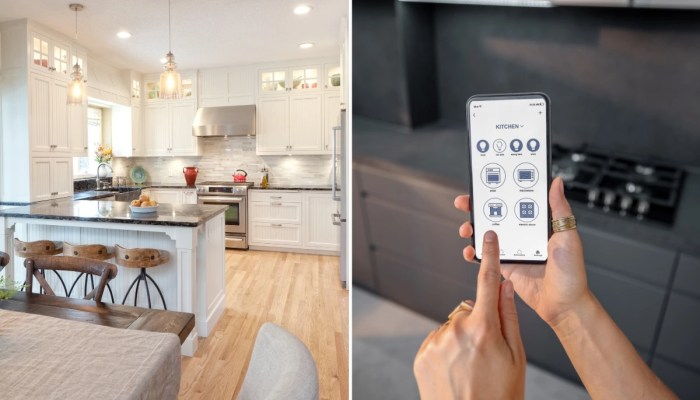
The decision to invest in smart appliances versus their traditional counterparts often hinges on a careful evaluation of cost. While smart appliances offer added convenience and features, they typically come with a higher initial price tag. Understanding the long-term cost implications, encompassing energy consumption, maintenance, and potential repairs, is crucial for making an informed choice. This section will analyze the cost differences and help determine the potential return on investment for each option.The initial purchase price for smart appliances is generally higher than that of their traditional counterparts across various categories.
For example, a smart refrigerator with features like internal cameras, touchscreens, and automated inventory management might cost several hundred dollars more than a comparable traditional model. Similarly, smart washing machines with Wi-Fi connectivity and advanced wash cycles often command a premium. This price difference also extends to smart ovens, which may include features such as self-cleaning capabilities and remote control via smartphone applications.
The added cost reflects the integrated technology and sophisticated functionalities offered by these appliances.
Long-Term Cost Implications
Beyond the initial purchase price, several long-term cost factors need consideration. Energy consumption is a significant element. While some smart appliances boast energy-saving features like intelligent power management, others may consume slightly more energy due to the always-on connectivity and additional functionalities. Maintenance costs can vary depending on the appliance and its features. Smart appliances might require more specialized maintenance or repairs due to their complex technology, potentially increasing these costs.
Furthermore, potential repair expenses can be higher for smart appliances because of the intricate electronics and software components involved. A malfunctioning smart feature might necessitate a more extensive and expensive repair compared to a mechanical failure in a traditional appliance.
Cost-Benefit Analysis: Smart vs. Traditional Appliances (5-Year Period)
The following table presents a simplified cost-benefit analysis comparing a smart and a traditional appliance over a five-year period. Note that these figures are illustrative examples and may vary depending on specific models, usage patterns, and energy prices.
| Appliance Type | Initial Cost | Annual Running Cost | Total Cost of Ownership (5 years) |
|---|---|---|---|
| Smart Refrigerator | $2500 | $150 | $3250 |
| Traditional Refrigerator | $1500 | $100 | $2000 |
| Smart Washing Machine | $1800 | $120 | $2400 |
| Traditional Washing Machine | $1000 | $80 | $1400 |
| Smart Oven | $1200 | $90 | $1650 |
| Traditional Oven | $700 | $60 | $1000 |
Note: Annual running costs include estimated energy consumption and minor maintenance. Repair costs are not included in this simplified analysis, but they should be considered when making a purchasing decision. The actual costs may vary depending on several factors including energy rates, usage frequency and appliance lifespan.
Energy Efficiency and Environmental Impact
The debate surrounding smart appliances often centers on their cost. However, a crucial aspect often overlooked is their impact on energy consumption and the environment. Understanding the energy efficiency and environmental footprint of both smart and traditional appliances is essential for making informed purchasing decisions. This section compares their performance using standardized metrics and examines their lifecycle environmental impact.Smart appliances, while potentially more expensive upfront, often boast features designed to minimize energy waste.
Conversely, traditional appliances, while generally cheaper initially, may consume significantly more energy over their lifespan. The overall environmental impact, therefore, involves a complex interplay of manufacturing, usage, and disposal.
Energy Efficiency Ratings
Standardized energy efficiency ratings, such as the Energy Star rating in the US and the EU energy label, provide a useful comparison. These labels typically rate appliances on a scale, often A to G (with A being the most efficient), reflecting their annual energy consumption. While specific ratings vary greatly depending on the appliance type and model, studies consistently show that many smart appliances achieve higher energy efficiency ratings than their traditional counterparts.
For example, smart refrigerators often incorporate features like precise temperature control and intelligent defrosting, resulting in lower energy consumption compared to older models lacking such functionalities. Similarly, smart washing machines often optimize water and energy usage based on load size and fabric type.
Environmental Impact of Manufacturing
The manufacturing process of both smart and traditional appliances contributes to their overall environmental impact. This includes the extraction and processing of raw materials, energy consumption during manufacturing, and the generation of waste. Generally, smart appliances contain more sophisticated components and electronics, leading to a potentially higher environmental impact during their manufacturing phase. However, the longer lifespan and reduced energy consumption of many smart appliances might offset this initial impact over their operational lifetime.
This highlights the need for a holistic life-cycle assessment to accurately compare the environmental footprint.
Environmental Impact of Energy Consumption and Disposal
The operational phase, encompassing daily energy consumption, significantly impacts the environmental footprint. Smart appliances, with their energy-saving features, often exhibit lower energy consumption compared to traditional models. This translates to reduced greenhouse gas emissions and a smaller carbon footprint. However, the increased electronic components in smart appliances can pose challenges at the end-of-life stage. Proper recycling and responsible disposal of these components are crucial to minimize the environmental impact.
The increasing use of recycled materials in appliance manufacturing is a positive step toward reducing the environmental burden.
Energy-Saving Features in Smart Appliances
Several features in smart appliances contribute significantly to energy savings. Smart power management allows appliances to operate efficiently by automatically adjusting power consumption based on usage patterns and real-time energy pricing. Optimized cycles, such as eco-wash settings in washing machines and intelligent defrosting in refrigerators, reduce energy and water consumption without compromising performance. Remote monitoring and control allow users to track energy usage and make informed decisions to minimize waste.
For instance, a smart thermostat can learn user preferences and adjust the temperature accordingly, optimizing heating and cooling costs and minimizing energy consumption. These features, when combined, can lead to substantial reductions in overall energy consumption and a smaller environmental footprint.
Features and Functionality
Smart appliances offer a significantly enhanced user experience compared to their traditional counterparts, primarily due to the integration of advanced technologies that streamline control and automate various functions. This section will delve into the specific features that distinguish smart appliances and analyze their impact on user interaction. The advantages and disadvantages of these features will be weighed, considering both the convenience they offer and the potential security risks involved.Smart appliances boast a range of features unavailable in traditional models.
These features revolve around enhanced control and automation, improving convenience and efficiency. Key among these are remote control capabilities, seamless app integration, voice control functionality, and automated scheduling options.
Remote Control Capabilities
Remote control allows users to manage their appliances from anywhere with an internet connection. Imagine preheating your oven on your commute home, or starting the washing machine while you’re at the grocery store. This convenience eliminates the need to be physically present to operate the appliance. Many smart appliances offer mobile applications that provide detailed control over various settings, allowing for adjustments and monitoring remotely.
For instance, a smart refrigerator can send alerts if the door is left ajar or if food is nearing its expiration date.
App Integration and Voice Control
App integration provides a centralized hub for managing multiple smart appliances. This simplifies the control process and allows for coordinated operation of various devices. Many smart home platforms offer a single interface to control lighting, thermostats, and appliances, enhancing overall home management. Voice control, often enabled through virtual assistants like Alexa or Google Assistant, further streamlines appliance control, allowing for hands-free operation through voice commands.
For example, a user could say “Okay Google, set the oven to 350 degrees” to begin preheating without touching any buttons.
Automated Scheduling
Automated scheduling allows users to program their appliances to operate at specific times or under certain conditions. This feature promotes energy efficiency by running appliances during off-peak hours or based on user-defined preferences. For example, a smart washing machine can be programmed to run overnight when electricity rates are lower, saving money on energy bills. Similarly, a smart thermostat can automatically adjust the temperature based on occupancy and time of day, optimizing energy consumption and comfort.
Comparison of User Experience
The user experience with smart appliances differs significantly from that of traditional appliances. Traditional appliances require physical interaction with buttons and dials, while smart appliances offer a more intuitive and remote-controlled experience. This shift enhances convenience and flexibility, though it also introduces a dependence on technology and potential complexities related to app usage and internet connectivity.
Advantages and Disadvantages of Smart Appliance Features
The integration of smart features presents both advantages and disadvantages. It’s crucial to weigh these factors before investing in smart appliances.
- Advantages: Increased convenience, enhanced energy efficiency, remote control capabilities, automated scheduling, improved home management, integration with smart home ecosystems.
- Disadvantages: Higher initial cost, reliance on internet connectivity, potential security vulnerabilities (data breaches, hacking), complexity of app usage, potential for malfunctions due to software issues or connectivity problems.
Smart Appliances
Smart appliances represent a significant leap forward in home technology, integrating digital capabilities into everyday devices. This section delves deeper into the technological underpinnings, security considerations, and future potential of these increasingly prevalent devices.
Smart Appliance Connectivity Technologies
Smart appliances utilize various communication protocols to connect to home networks and the internet. Wi-Fi is the most common, offering relatively long-range connectivity and high bandwidth for data transfer, essential for features like streaming video to a smart oven or receiving remote diagnostics. Bluetooth, with its shorter range, is frequently used for connecting smaller appliances or accessories, such as smart scales or fitness trackers that integrate with a smart refrigerator.
Other protocols, including Zigbee and Z-Wave, are often employed for creating mesh networks, allowing appliances to communicate with each other directly, even without a central Wi-Fi hub, improving reliability and efficiency in the network. This direct communication also reduces the reliance on a central internet connection for some functions.
Data Security and Privacy Implications of Smart Appliances
The connectivity that enables smart appliance functionality also introduces potential security and privacy risks. Data transmitted between appliances and the cloud or other devices can be intercepted by malicious actors if security measures are inadequate. Weak passwords, lack of encryption, and outdated software can all create vulnerabilities. Appliances may collect significant amounts of data about user habits and preferences, raising concerns about data privacy and the potential for misuse of personal information.
For example, a smart refrigerator might track the food items purchased and consumed, potentially revealing sensitive information about dietary habits or allergies. Strong passwords, regular software updates, and a cautious approach to data sharing are crucial for mitigating these risks.
Artificial Intelligence and Machine Learning in Smart Appliances
Artificial intelligence (AI) and machine learning (ML) are rapidly transforming the capabilities of smart appliances. AI algorithms enable predictive maintenance, allowing appliances to anticipate potential issues and alert users before a major malfunction occurs. For example, a smart washing machine might predict when its motor is nearing the end of its lifespan, prompting the user to schedule maintenance or consider a replacement.
Machine learning algorithms personalize appliance settings based on user behavior. A smart thermostat might learn a user’s preferred temperature settings at different times of the day and automatically adjust accordingly, optimizing energy efficiency and comfort. Furthermore, AI-powered voice assistants integrated into smart appliances allow for hands-free control and enhanced user interaction.
Future Developments in Smart Appliance Technology
The future of smart appliances promises even greater integration, efficiency, and personalization.
- Increased interoperability: Seamless communication and data sharing between different brands and types of smart appliances, creating a truly integrated smart home ecosystem.
- Advanced predictive maintenance: More sophisticated algorithms that can predict and prevent appliance failures with even greater accuracy and timeliness.
- Enhanced energy efficiency: AI-powered optimization of energy consumption across multiple appliances, further reducing environmental impact and lowering energy bills.
- Improved user interfaces: More intuitive and user-friendly interfaces, making smart appliances accessible to a wider range of users.
- Integration with other smart home technologies: Seamless integration with other smart home devices and systems, such as security systems, lighting, and entertainment, creating a more cohesive and automated home environment.
- Greater personalization: Appliances that adapt to individual user preferences and needs with even greater precision, creating a more customized and comfortable living experience. For example, a smart coffee maker that learns your preferred brew strength and automatically adjusts accordingly.
User Experience and Usability
The user experience (UX) of smart appliances significantly differs from that of their traditional counterparts. While traditional appliances prioritize simplicity and direct functionality, smart appliances introduce layers of connectivity and digital interaction, impacting both ease of use and the overall user experience. This section will explore these differences, focusing on the learning curve, interface design, and the resulting impact on user satisfaction.Smart appliances often require a higher level of technical proficiency compared to their traditional counterparts.
The integration of mobile apps, Wi-Fi connectivity, and various software features introduces a learning curve that may be challenging for some users. In contrast, traditional appliances generally boast a more intuitive and straightforward user interface, requiring minimal technical expertise.
Ease of Use and User Interface Design
Smart appliance interfaces vary considerably in their design and usability. Some manufacturers prioritize intuitive designs with clear icons and straightforward menus, mimicking the simplicity of traditional appliances. Others, however, employ more complex interfaces with numerous features and settings, potentially overwhelming users unfamiliar with smart technology. For example, a smart oven might offer a touchscreen interface with numerous cooking presets, while a traditional oven would rely on simple dials and buttons for temperature and timer control.
A positive user experience is often characterized by clear visual cues, logical navigation, and minimal steps required to complete tasks. Conversely, a poorly designed interface can lead to frustration, confusion, and ultimately, a negative user experience. Consider a smart refrigerator with a cluttered touchscreen displaying excessive information, obscuring essential functions like temperature control.
Learning Curve and Technical Skills
The learning curve associated with smart appliances is a significant factor affecting user experience. While many smart appliances offer user-friendly interfaces, some require users to download and navigate mobile applications, create accounts, and connect the appliance to a home Wi-Fi network. These steps can be daunting for users with limited technological skills. Traditional appliances, in contrast, typically require only basic understanding of their physical controls.
For instance, setting a timer on a traditional microwave is generally intuitive, whereas a smart microwave might require users to interact with a mobile app or navigate a complex touchscreen interface. This difference in learning curve is a key differentiator in the overall user experience, with traditional appliances offering immediate usability and smart appliances requiring an initial investment of time and effort.
Examples of User Interface Design Elements
Effective user interface design is crucial for a positive user experience with both smart and traditional appliances. A well-designed smart appliance interface, such as that found on some high-end washing machines, might utilize clear visual cues, intuitive icons, and a logical flow of information. This contrasts with poorly designed interfaces that present cluttered screens with small, hard-to-read text, or those that require multiple steps to complete a simple task.
For example, a smart thermostat with a large, easily navigable touchscreen displaying current temperature and clear settings for adjusting temperature, scheduling, and energy saving modes would be considered user-friendly. Conversely, a thermostat with a tiny, unresponsive screen and complicated menus would lead to a frustrating experience. The difference in the user interface design directly impacts the user’s perception of the appliance’s usability and overall satisfaction.
The choice between smart and traditional appliances ultimately depends on individual priorities and budget. While smart appliances offer convenience and advanced features, traditional appliances often provide a more cost-effective and simpler solution. By weighing the pros and cons of each, you can select the appliances that best align with your lifestyle, technological comfort level, and long-term financial goals. Consider your needs carefully – the right choice will ensure years of efficient and enjoyable use.
Quick FAQs
What is the average lifespan of a smart appliance compared to a traditional one?
The lifespan can vary depending on the brand and model, but generally, traditional appliances tend to have a slightly longer lifespan. Smart appliances might have shorter lifespans due to potential software obsolescence or component failures.
Can I use a smart appliance without an internet connection?
Most smart appliances require an internet connection to access their full range of features. However, some basic functions might still be available offline, depending on the specific model.
Are smart appliances more difficult to repair?
Repairing smart appliances can be more complex due to the integrated electronics and software components. Finding qualified technicians experienced with smart appliance repair might also be more challenging.
What happens if the smart appliance’s software becomes outdated?
Outdated software can lead to reduced functionality, security vulnerabilities, and even complete appliance failure. Manufacturers may offer software updates, but there’s no guarantee of long-term support.


