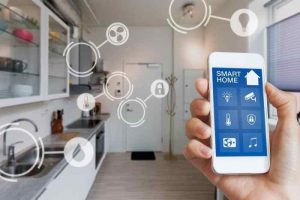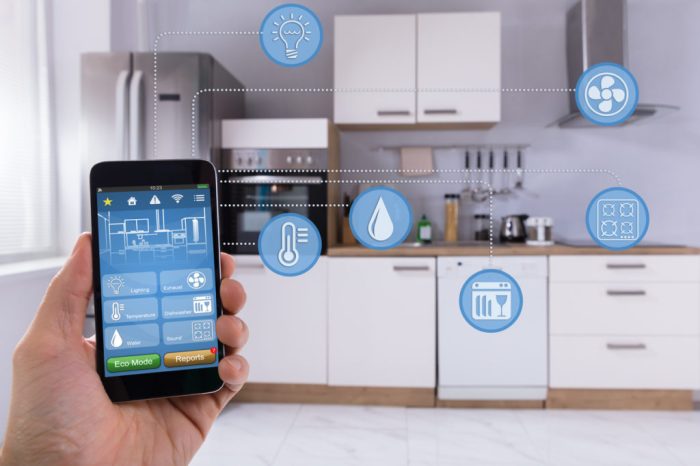
The integration of smart appliances and voice assistants like Alexa has revolutionized home automation, offering unprecedented convenience and control. This evolution allows homeowners to manage their appliances with simple voice commands, streamlining daily routines and enhancing overall home efficiency. From adjusting the thermostat to preheating the oven, the possibilities are vast, promising a future where homes are truly responsive to their inhabitants’ needs.
This exploration delves into the functionalities, benefits, and potential drawbacks of Alexa-enabled smart appliances. We will examine various appliance types, setup procedures, and address common concerns regarding security and privacy. Ultimately, we aim to provide a comprehensive understanding of this rapidly evolving technology and its impact on modern living.
Setting up and Using Alexa with Smart Appliances
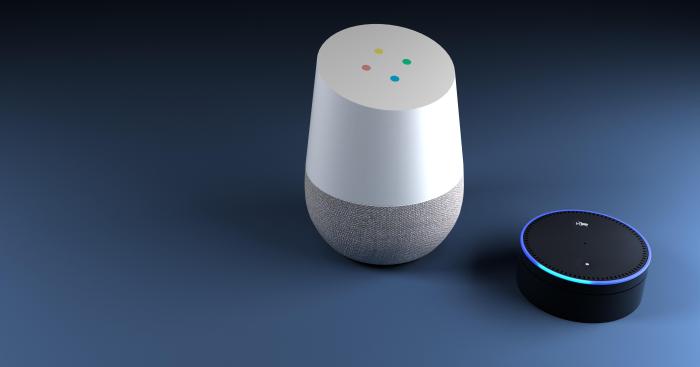
Connecting your smart appliances to Alexa opens up a world of voice-controlled convenience, allowing you to manage your home environment with simple voice commands. This process typically involves downloading the Alexa app, discovering your smart devices, and linking them within the app’s interface. Successful integration depends on the compatibility of your appliances and adherence to the manufacturer’s instructions.
The process of connecting Alexa to your smart appliances varies slightly depending on the brand and model of the appliance. However, the general steps are similar across most devices. Successful connection requires a stable Wi-Fi network and the appropriate smart home skills enabled within the Alexa app.
Connecting Alexa to Different Smart Appliances
Connecting Alexa to smart appliances generally involves these steps: First, ensure your appliance is already set up and connected to your home Wi-Fi network. Then, open the Alexa app and navigate to the “Smart Home” section. Next, you’ll usually find a “Discover Devices” or similar option. Alexa will then scan your network for compatible devices. Once your appliance is found, select it and follow the on-screen prompts to link it to your Alexa account.
The specific prompts will vary depending on the manufacturer. For example, you might need to authorize access to the appliance’s data or provide a pairing code. After successful pairing, you can start using voice commands to control your appliance.
Troubleshooting Connectivity Issues
Several issues can prevent Alexa from connecting to your smart appliances. A common problem is a weak or unstable Wi-Fi signal. Ensure your router is centrally located and provides strong coverage throughout your home. Another common issue is incorrect network credentials entered during the setup process. Double-check that you’ve entered the correct Wi-Fi password.
Incompatibility between the appliance and Alexa is another potential issue. Check the Alexa app and the appliance manufacturer’s website to ensure compatibility. If the device still doesn’t connect, try restarting both your appliance and your router. If problems persist, consult the appliance’s user manual or contact the manufacturer’s customer support.
Optimizing the Alexa Experience with Smart Appliances
To optimize your Alexa experience, consider organizing your smart devices into groups for easier control. For instance, create a group called “Living Room Lights” to control all the lights in that room with a single command. Regularly check for and install software updates for both Alexa and your smart appliances to ensure optimal performance and security. Also, be mindful of the phrasing of your voice commands.
Clear and concise commands lead to more reliable responses. For example, instead of saying “Turn on the light in the living room,” try “Alexa, turn on the Living Room Lights.” Finally, explore the various Alexa skills offered by your smart appliance manufacturers to unlock additional features and capabilities. Experimentation is key to discovering the full potential of voice control in your home.
Smart Appliances Beyond Alexa Integration
The convenience and efficiency offered by smart appliances extend far beyond their integration with voice assistants like Alexa. The broader landscape of smart home technology is rapidly evolving, impacting daily life in profound ways, from energy consumption to home security and overall convenience. While voice control offers a streamlined user experience, the core functionalities of smart appliances remain largely independent of any specific voice assistant.Smart appliances, at their heart, are designed to automate tasks and enhance home management.
This automation is achieved through various technological integrations, not solely relying on voice commands. The ability to remotely monitor and control appliances, regardless of voice integration, is a key characteristic, offering significant benefits in terms of energy efficiency, security, and convenience.
Key Features and Functionalities of Smart Appliances
Many core features are common across various smart appliances, irrespective of their voice assistant compatibility. These features contribute to the overall improved functionality and user experience. For example, remote control, scheduling, and energy monitoring are integral to many smart devices. Smart refrigerators may offer inventory management and internal temperature control, while smart thermostats provide programmable temperature settings and energy usage reports.
These features are often accessible through dedicated mobile applications, regardless of voice integration. The integration of sensors and data analytics further enhances these capabilities, allowing for predictive maintenance and personalized usage patterns. For instance, a smart washing machine might automatically adjust its cycle based on the type and quantity of laundry detected.
A Hypothetical Smart Home Scenario
Imagine a scenario where a homeowner leaves for work. Before departing, they use their smartphone app to initiate a pre-programmed sequence. The smart thermostat lowers the temperature, saving energy while the homeowner is away. Simultaneously, the smart coffee maker begins brewing coffee for the homeowner’s return, scheduled for a specific time. As the homeowner approaches their house, their smartphone automatically disarms the smart security system.
Upon entering, the smart lights illuminate, and the smart entertainment system begins playing their preferred music. Throughout the day, the smart refrigerator monitors food inventory and sends notifications about expiring items. In the evening, the smart oven preheats automatically, based on a previously scheduled cooking time. This interconnected ecosystem of smart appliances simplifies daily routines, optimizes energy use, and enhances overall home comfort and security.
This interconnectedness is independent of a specific voice assistant; the appliances communicate and operate through a central hub or network, coordinating actions based on pre-programmed schedules or user-defined settings.
Security and Privacy Concerns
The convenience of Alexa-enabled smart appliances comes with inherent security and privacy risks. Understanding these risks and implementing appropriate safeguards is crucial for protecting your home and personal data. This section Artikels potential vulnerabilities and provides strategies to mitigate them.
Integrating voice-activated technology into our homes introduces complexities that demand careful consideration. The constant listening nature of these devices, coupled with the potential for data breaches and unauthorized access, raises significant concerns about both the security of our homes and the privacy of our personal information. Effective mitigation strategies are not just about technical solutions; they involve a comprehensive approach to responsible device management and user awareness.
Potential Security Risks and Mitigation Strategies
Several security vulnerabilities exist with Alexa-enabled smart appliances. These vulnerabilities can be exploited by malicious actors to gain unauthorized access to your home network or even your personal information. Understanding these risks allows for the implementation of effective countermeasures.
- Network vulnerabilities: Hackers could potentially exploit weaknesses in your home Wi-Fi network to gain access to your smart appliances. Mitigation involves using strong, unique passwords for your Wi-Fi network and enabling WPA2 or WPA3 encryption.
- Device vulnerabilities: Smart appliances themselves may have software vulnerabilities that could be exploited. Regularly updating the firmware of your devices is essential to patch these vulnerabilities. This includes not only the appliance itself but also the Alexa app and any associated smart home hubs.
- Eavesdropping: While unlikely in most scenarios, a sophisticated attacker might intercept voice commands sent to Alexa. Using strong passwords and enabling two-factor authentication adds a significant layer of protection.
- Phishing and social engineering: Malicious actors might attempt to trick users into revealing sensitive information. Being wary of suspicious emails, messages, or phone calls claiming to be from Amazon or Alexa is crucial. Never share your Alexa account credentials or other sensitive information unsolicited.
Privacy Implications of Voice-Activated Appliances and Data Management
The use of voice-activated appliances inevitably involves the collection and processing of personal data. Understanding how this data is collected, used, and protected is paramount. This section details strategies for managing data collection and minimizing privacy risks.
- Data collection: Alexa collects voice data to process your commands and improve its services. Amazon’s privacy policy Artikels the types of data collected and how it is used. Users should review this policy and understand their options regarding data sharing.
- Data storage and security: Amazon employs various security measures to protect user data. However, data breaches are always a possibility. Regularly reviewing your Alexa privacy settings and managing your connected devices helps minimize potential risks.
- Data deletion and control: Users have options to review and delete their voice recordings. Understanding how to access and manage these recordings is crucial for maintaining control over personal data.
- Third-party access: Some smart appliance manufacturers may share data with third-party services. Carefully review the privacy policies of both Amazon and the appliance manufacturer to understand how your data is being shared.
Best Practices for Maintaining Security and Privacy
Maintaining the security and privacy of your smart home devices requires a proactive approach. By implementing these best practices, you can significantly reduce your risk of security breaches and privacy violations.
- Use strong, unique passwords for your Wi-Fi network and all smart home devices.
- Enable two-factor authentication wherever possible.
- Regularly update the firmware of your smart appliances and the Alexa app.
- Review and adjust your Alexa privacy settings regularly.
- Be cautious about the information you share with Alexa and connected devices.
- Disconnect unused devices from your network.
- Be aware of phishing and social engineering attempts.
- Read the privacy policies of all smart home devices and services you use.
Future Trends in Smart Appliances and Alexa Integration
The convergence of smart appliance technology and voice assistants like Alexa is rapidly evolving, promising a future where homes are not only more convenient but also more proactive and intuitive. Advancements in artificial intelligence, the Internet of Things (IoT), and improved connectivity are driving this transformation, leading to more sophisticated and personalized user experiences.The integration of AI and IoT will fundamentally alter how we interact with our appliances.
AI will enable predictive maintenance, anticipating potential issues and suggesting timely repairs, reducing downtime and extending the lifespan of appliances. IoT will facilitate seamless communication between appliances, allowing for coordinated operation and optimized energy consumption. For example, a smart refrigerator could automatically order groceries when supplies are low, while a smart washing machine could adjust its cycle based on the availability of hot water from a smart water heater.
Predictive Maintenance and Proactive Service
AI-powered predictive maintenance will become increasingly prevalent. Smart appliances will utilize sensors and machine learning algorithms to monitor their own performance, identifying potential problems before they escalate into major malfunctions. This predictive capability will extend beyond simple diagnostics; appliances could anticipate the need for specific parts and even schedule service appointments automatically. Imagine a smart oven that detects a failing heating element and sends a notification to the manufacturer to arrange a replacement, minimizing disruption to the user.
Enhanced User Personalization and Adaptive Learning
Future smart appliances will go beyond simple voice commands. They will learn user preferences and habits, adapting their operation to optimize convenience and efficiency. For instance, a smart coffee maker could learn the user’s preferred brewing strength and time, automatically adjusting its settings each morning. This adaptive learning will be powered by sophisticated AI algorithms, enabling appliances to anticipate needs and proactively meet them.
This could include personalized cooking suggestions based on dietary preferences and available ingredients tracked by a smart refrigerator.
Improved Energy Efficiency and Sustainability
Smart appliances integrated with Alexa will play a crucial role in promoting energy efficiency and sustainability. AI-driven algorithms will optimize energy consumption based on usage patterns and real-time energy pricing. For example, a smart air conditioner could automatically adjust its settings based on occupancy and external temperature, minimizing energy waste. Integration with smart grids will enable appliances to respond to fluctuations in energy demand, contributing to a more sustainable energy ecosystem.
This will contribute to lowering household energy bills and minimizing environmental impact.
Seamless Multi-Appliance Coordination and Automation
The future will see enhanced interoperability between different smart appliances. Alexa will act as a central hub, coordinating the operation of multiple devices to create automated routines and optimize household tasks. For instance, a user could create a routine where the smart lights dim, the smart thermostat adjusts the temperature, and the smart music system plays relaxing music at a specific time.
This level of automation will significantly improve convenience and create a more integrated and intuitive home environment. This coordination will extend beyond simple routines; appliances could communicate and adjust their operations based on real-time contextual information. For instance, a smart washing machine could delay its cycle if the smart water heater is already in use for another appliance.
SMART APPLIANCES
Smart appliances represent a significant shift in how we interact with our homes and consume energy. They offer convenience, enhanced control, and the potential for significant energy savings, contributing to a more sustainable lifestyle. This section will explore the diverse landscape of smart appliances, comparing their environmental impact with traditional models and highlighting their role in creating a more efficient home environment.Smart appliances are rapidly evolving, integrating seamlessly into our daily routines and offering unprecedented levels of control and convenience.
Their capabilities extend beyond simple automation, often incorporating features designed to optimize energy usage and minimize environmental impact.
Categories of Smart Appliances
The market for smart appliances is incredibly diverse, encompassing a wide range of household items. These appliances utilize various technologies, from simple Wi-Fi connectivity to sophisticated AI-powered systems.
- Refrigerators: Smart refrigerators often include features like inventory management, internal cameras for remote viewing, and automatic temperature adjustments based on usage patterns. Some models even offer recipe suggestions based on available ingredients.
- Washing Machines and Dryers: Smart washers and dryers allow for remote monitoring and control, enabling users to start or stop cycles remotely, select optimal settings based on fabric type and soil level, and receive alerts when cycles are complete.
- Ovens and Cooktops: Smart ovens and cooktops often include pre-programmed cooking settings, precise temperature control, and the ability to monitor cooking progress remotely via smartphone apps. Some models even offer guided cooking instructions.
- Thermostats: Smart thermostats learn user preferences and adjust temperatures accordingly, optimizing energy consumption and improving comfort. Many models offer remote control and integration with other smart home devices.
- Lighting Systems: Smart lighting systems allow users to control lighting levels, schedules, and colors remotely. They often offer energy-saving features like automatic shutoff and dimming capabilities.
- Robotic Vacuum Cleaners: These devices autonomously clean floors, scheduling cleaning sessions and adapting to different floor types. Many models offer app-based control and mapping capabilities.
Energy Efficiency and Environmental Impact
The energy efficiency of smart appliances varies considerably depending on the specific model and features. However, many smart appliances incorporate energy-saving technologies that can reduce overall energy consumption compared to their traditional counterparts. For instance, smart thermostats can learn user behavior and optimize heating and cooling schedules, leading to significant energy savings. Similarly, smart washing machines and dryers often offer energy-efficient settings and cycles.However, it is important to note that the manufacturing process of smart appliances can have a higher environmental impact due to the increased use of electronics and materials.
The extended lifespan of these appliances and their ability to optimize energy consumption, however, can mitigate this impact over time. A lifecycle assessment considering both manufacturing and operational energy consumption is crucial for a complete evaluation.
Contribution to Sustainable Homes
Smart appliances contribute to a more sustainable and efficient home environment through various mechanisms. Their ability to optimize energy usage, reduce waste, and enhance convenience directly impacts environmental sustainability.
- Reduced Energy Consumption: Smart thermostats, for example, can reduce energy waste by automatically adjusting temperatures based on occupancy and user preferences. Smart lighting systems offer similar energy-saving benefits through automated controls and dimming capabilities.
- Improved Resource Management: Smart refrigerators can help reduce food waste by tracking inventory and suggesting recipes based on available ingredients. Smart washing machines and dryers offer optimized settings to reduce water and energy usage per load.
- Enhanced Convenience and User Engagement: The convenience and control offered by smart appliances can encourage users to adopt more sustainable practices. For example, the ability to remotely monitor energy usage can promote more conscious energy consumption.
The convergence of smart appliances and voice assistants like Alexa signifies a significant leap forward in home automation. While security and privacy concerns remain valid, the benefits of increased convenience, energy efficiency, and enhanced home management outweigh the risks, particularly with careful consideration of best practices. As technology continues to evolve, we can anticipate even greater integration and innovation, shaping a future where homes are truly intelligent and responsive to the needs of their occupants.
Helpful Answers
How much does it cost to set up Alexa with my smart appliances?
The cost varies depending on the appliances you own and whether you need to purchase additional smart plugs or hubs. Some appliances come with built-in Alexa compatibility, while others may require additional accessories.
Can I control all my smart appliances with a single Alexa device?
Yes, a single Alexa device can control multiple compatible smart appliances, provided they are correctly connected to your home Wi-Fi network and linked to your Alexa app.
What happens if my internet connection goes down?
Without an internet connection, you will likely lose voice control functionality. However, many smart appliances retain basic functionality even offline.
Are my conversations with Alexa recorded and stored?
Yes, Amazon does record voice data for the purpose of improving Alexa’s functionality. You can review and manage your recorded data through your Amazon account settings.