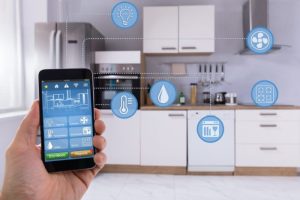
Imagine a world where your refrigerator orders groceries when supplies run low, your washing machine adjusts its cycle based on fabric type, and your thermostat learns your preferred temperature settings. This isn’t science fiction; it’s the reality of smart appliances. These devices seamlessly blend technology and convenience, offering a glimpse into a future where homes are not just spaces but intelligent ecosystems.
This exploration delves into the inner workings of these interconnected devices, examining their communication protocols, core technologies, and the impact they have on our daily lives.
From the simple convenience of remote control to sophisticated energy-saving features and advanced data analysis, smart appliances are transforming the way we interact with our homes. Understanding how these devices function is key to unlocking their full potential and harnessing the benefits they offer. This comprehensive overview will unravel the mysteries behind their functionality, addressing key aspects such as connectivity, data management, and integration within the broader smart home landscape.
Introduction to Smart Appliances
Smart appliances represent a significant advancement in home technology, integrating internet connectivity and advanced functionalities to enhance convenience, efficiency, and user experience. These devices go beyond basic operational capabilities, offering features like remote control, automated scheduling, data monitoring, and integration with other smart home systems. This integration fundamentally changes how we interact with household appliances and contributes to the broader trend of smart homes.Smart appliances are defined by their ability to connect to a network, usually Wi-Fi, enabling remote access and control.
This connectivity allows users to monitor and manage their appliances from anywhere with an internet connection, using smartphones, tablets, or computers. Beyond connectivity, many smart appliances incorporate sensors and sophisticated software to optimize performance, reduce energy consumption, and provide insightful data about their usage. This data-driven approach allows for personalized settings and proactive maintenance, leading to improved efficiency and longevity.
Types of Smart Appliances
The range of smart appliances available continues to expand, encompassing a wide variety of household items. Many traditional appliances are now available in “smart” versions, offering increased functionality and control.
- Smart Refrigerators: These refrigerators often feature touchscreens, internal cameras for inventory management, and the ability to create shopping lists automatically. Some models can even alert you to expiring food items.
- Smart Washing Machines and Dryers: Smart laundry appliances offer remote start/stop capabilities, cycle customization based on fabric type and soil level, and automated detergent dispensing. They can also provide notifications when a cycle is complete.
- Smart Ovens: Smart ovens often include pre-programmed cooking settings, remote monitoring of food temperature, and the ability to control the oven remotely, even preheating it before arriving home.
- Smart Thermostats: These are perhaps the most common type of smart appliance. They learn your preferences and automatically adjust temperatures to optimize energy efficiency and comfort. Many models integrate with other smart home devices.
- Smart Vacuum Cleaners and Robots: Robotic vacuum cleaners are a prime example of smart appliances. They autonomously navigate floors, avoiding obstacles and automatically returning to their charging stations. Many offer features such as app-controlled scheduling and zone cleaning.
Evolution of Smart Appliances
The evolution of smart appliances is closely tied to the broader development of the internet and related technologies. Early iterations focused primarily on basic remote control capabilities, often using proprietary communication protocols. The widespread adoption of Wi-Fi and the development of robust internet-of-things (IoT) platforms have greatly accelerated the development and sophistication of smart appliances. Today, smart appliances leverage advanced sensors, machine learning algorithms, and cloud connectivity to provide increasingly sophisticated features and functionalities.
For instance, early smart refrigerators simply allowed remote temperature adjustments, while modern models offer advanced features like inventory tracking and recipe suggestions. This continuous improvement reflects the rapid pace of technological innovation in the field.
Smart appliances are more than just technological advancements; they represent a shift towards a more connected, efficient, and convenient lifestyle. While concerns about data privacy and security remain valid, the ongoing development of sophisticated security measures and user-friendly interfaces continues to mitigate these risks. The future of smart appliances promises even greater integration with artificial intelligence and machine learning, leading to personalized experiences and further optimized energy consumption.
As technology evolves, the possibilities for smart homes and the devices that power them are truly limitless.
Top FAQs
What happens if my Wi-Fi goes down?
Most smart appliances will continue to function in a limited capacity without Wi-Fi. Basic features might still be available, but remote control and data-driven functionalities will be unavailable until connectivity is restored.
Are smart appliances more expensive to repair?
Repair costs can vary depending on the appliance and the nature of the issue. However, the integrated technology in smart appliances can sometimes increase repair complexity and costs compared to traditional appliances.
How much energy do smart appliances actually save?
Energy savings vary greatly depending on the appliance and usage patterns. Many smart appliances offer features designed to optimize energy use, but the actual savings depend on individual habits and the appliance’s efficiency.